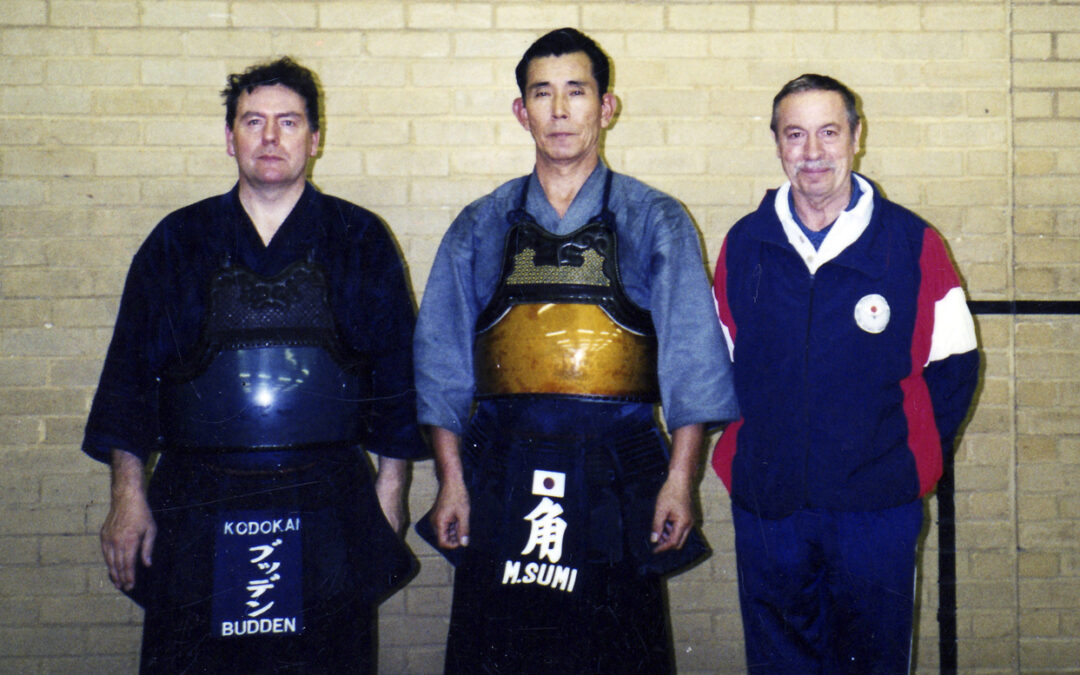
By Paul Budden
I first met Masatake Sumi Sensei in the spring of 1988 during a visit to France. At the time, I had organised—together with Terry Holt Sensei—for a group of British kendoka from the Thames Valley Kyōkai (a group of six clubs from within the Thames Valley area – Basingstoke Kendo Club, Hakubukai Abingdon, Kodokan Amersham, Mumeishi Cranford, Oxford Kendo Club and Reading Kendo Club), to stay and train with the Maisons-Laffitte Dojo, just outside Paris, over a long weekend. Our host, Jean-Claude Tuvi Sensei, kindly arranged sessions both at his own dōjō and at another in Paris, Budo XI.
My association with French kendo had begun some years earlier during my regular visits to Paris for exhibition work, which continued for more than twenty years. With free time available, I trained first at Maisons-Laffitte and later at CEPESJA, located just across from the Paris Expo Porte de Versailles. Training in the French clubs was of a high standard, with instructors such as Claude Hamot Sensei, Kenichi Yoshimura Sensei, Claude Pruvost, and others. Later, I also trained at Kenyu with Peter Sherriff, a British expatriate and founding member, and with Yoshi Inoue Sensei after he moved from London. Peter Sherriff would later play a key role in establishing kendo in Ireland following his relocation there in the 1990s.
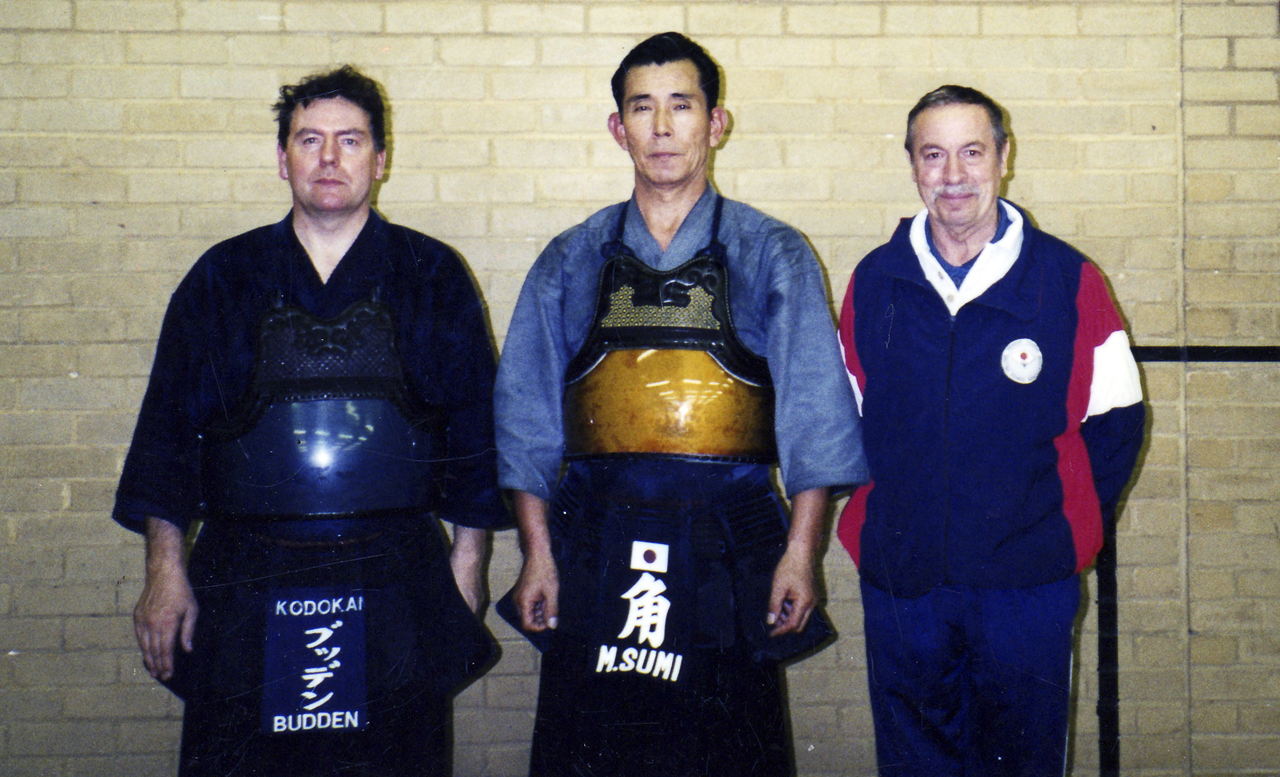
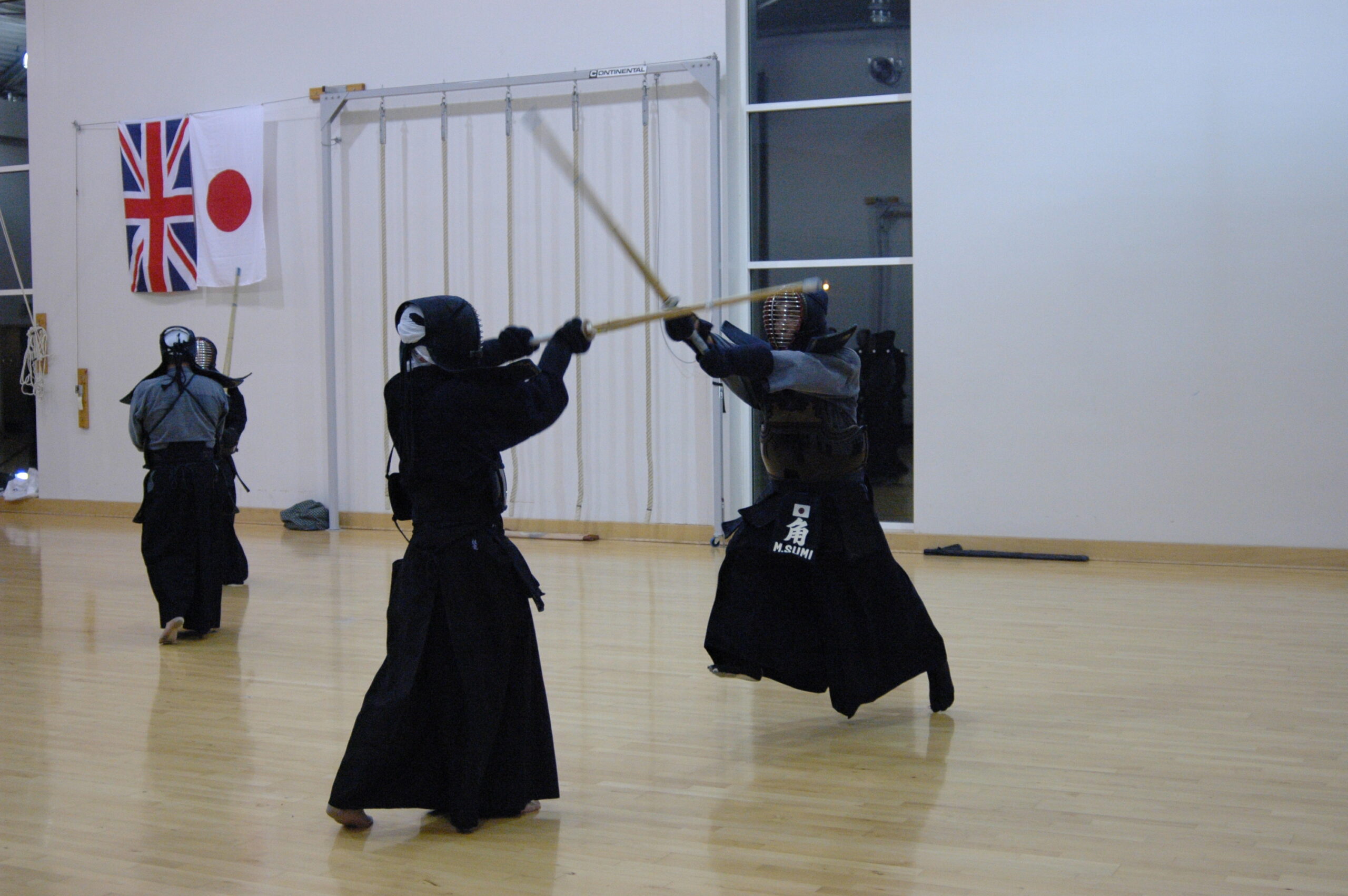
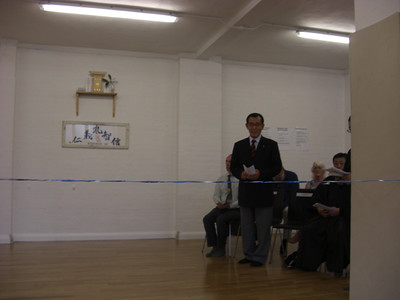
It was during this spring visit in 1988, at Budo XI, that I encountered Sumi Sensei for the first time. Then a 7-dan, he had been sent by the All Japan Kendo Federation (AJKF) to support the French Kendo Federation. He was accompanied by his wife, Kaoru, a distinguished naginata Sensei, and their two young sons, Kentaro and Sōichiro—both already passionate kendo practitioners. (Kaoru Sensei would later attend the Kodokan Seminar on several occasions.)
What struck me immediately as Sumi Sensei entered the dojo was his quiet yet immense presence—completely unspoken, yet unmistakable. Only later did I come to understand this quality as fūkaku, a depth of character that radiates without a word. In that moment, I knew instinctively that he was the Sensei I wanted to follow.
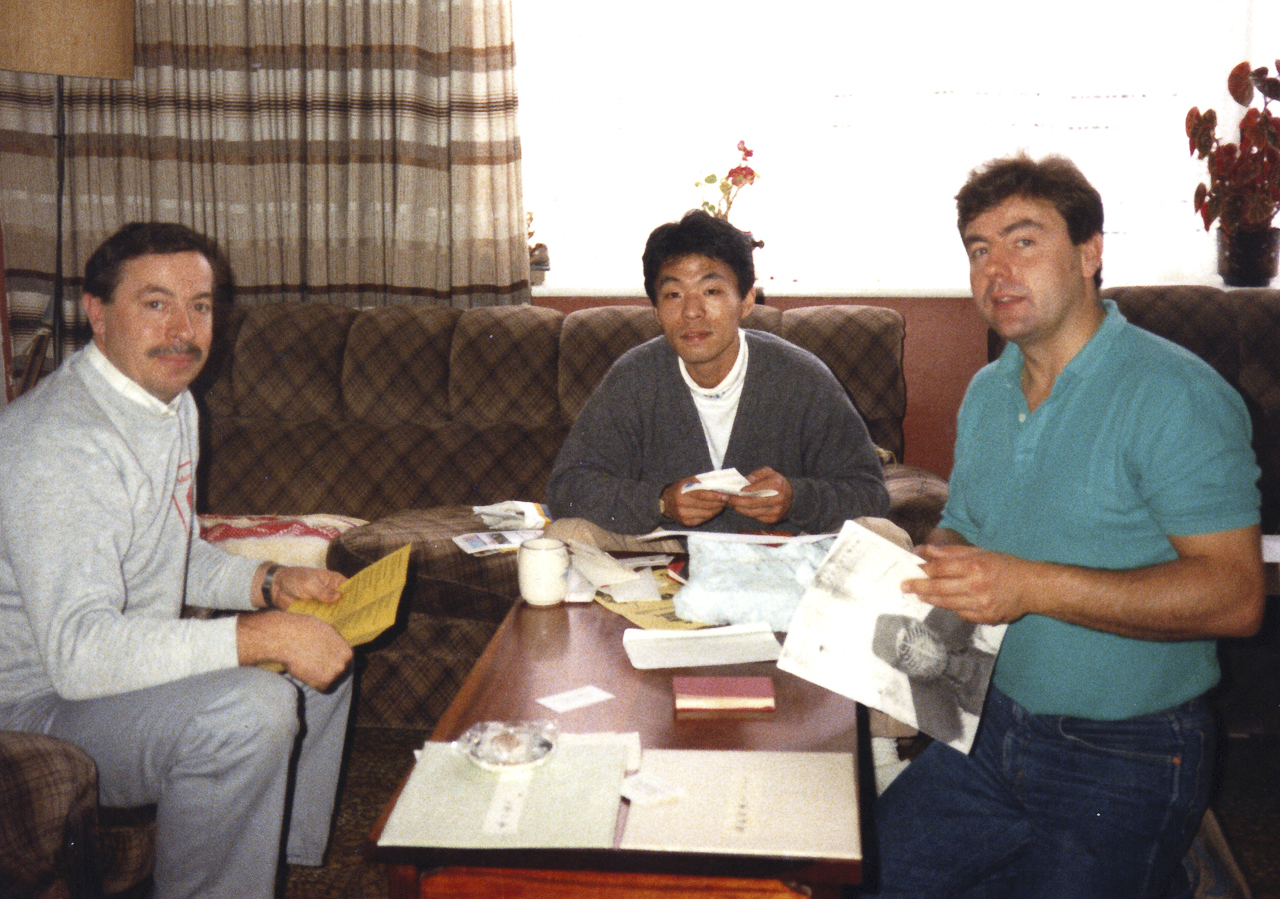
During that first meeting, Sumi Sensei mentioned his interest in visiting Britain, and we quickly extended an invitation. Later that summer, he and his family spent a long weekend with us in the UK—a visit that marked the beginning of a treasured friendship and a lasting tradition.
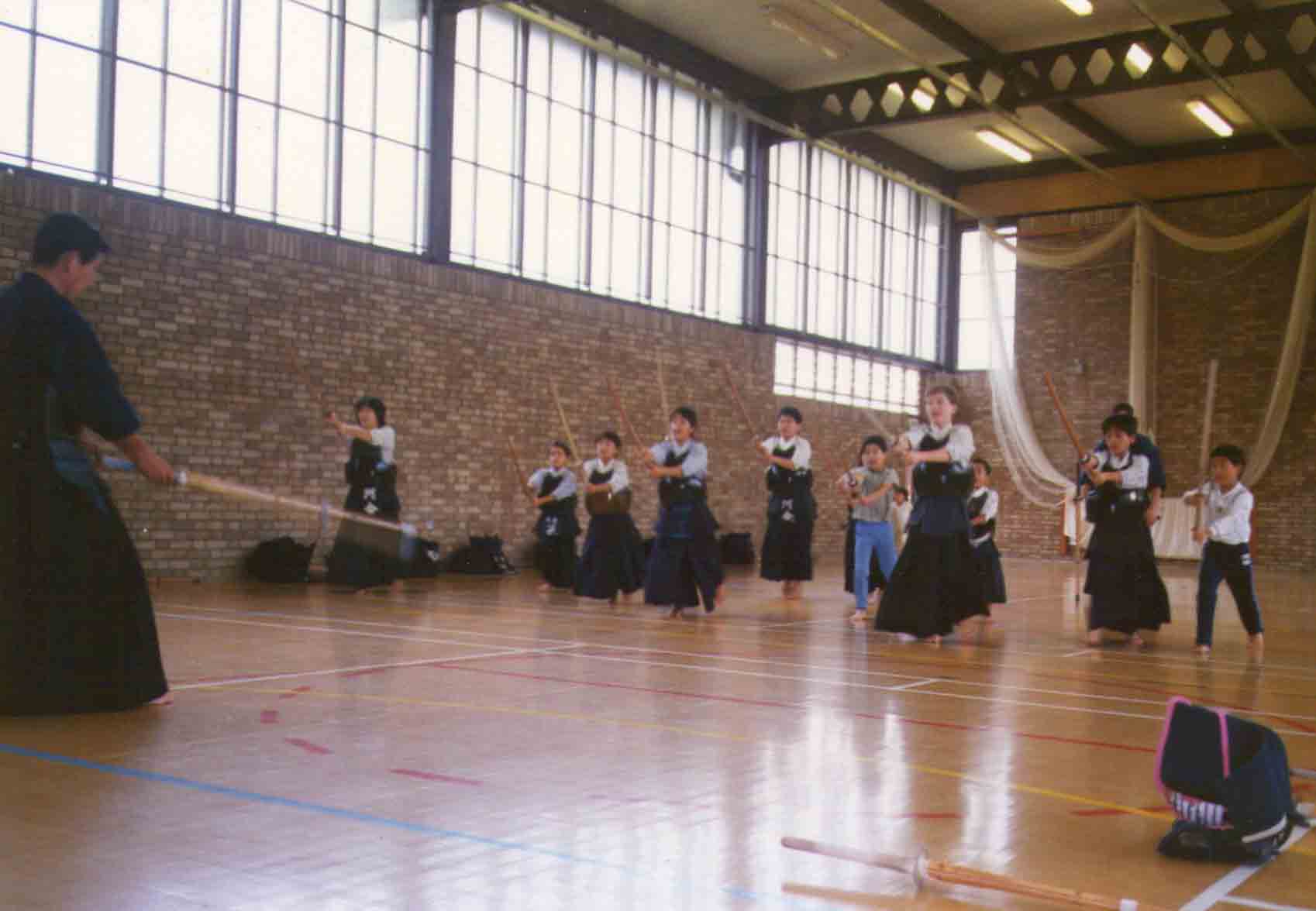
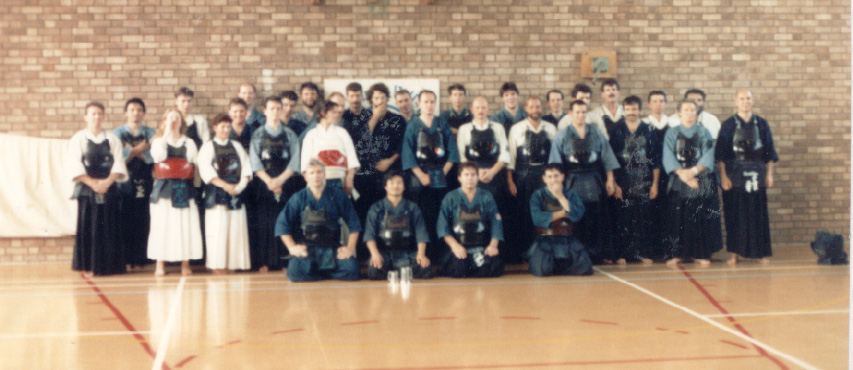
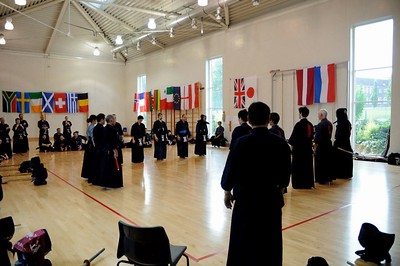
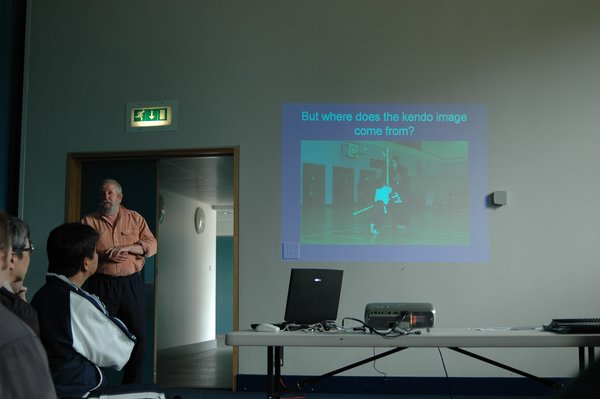
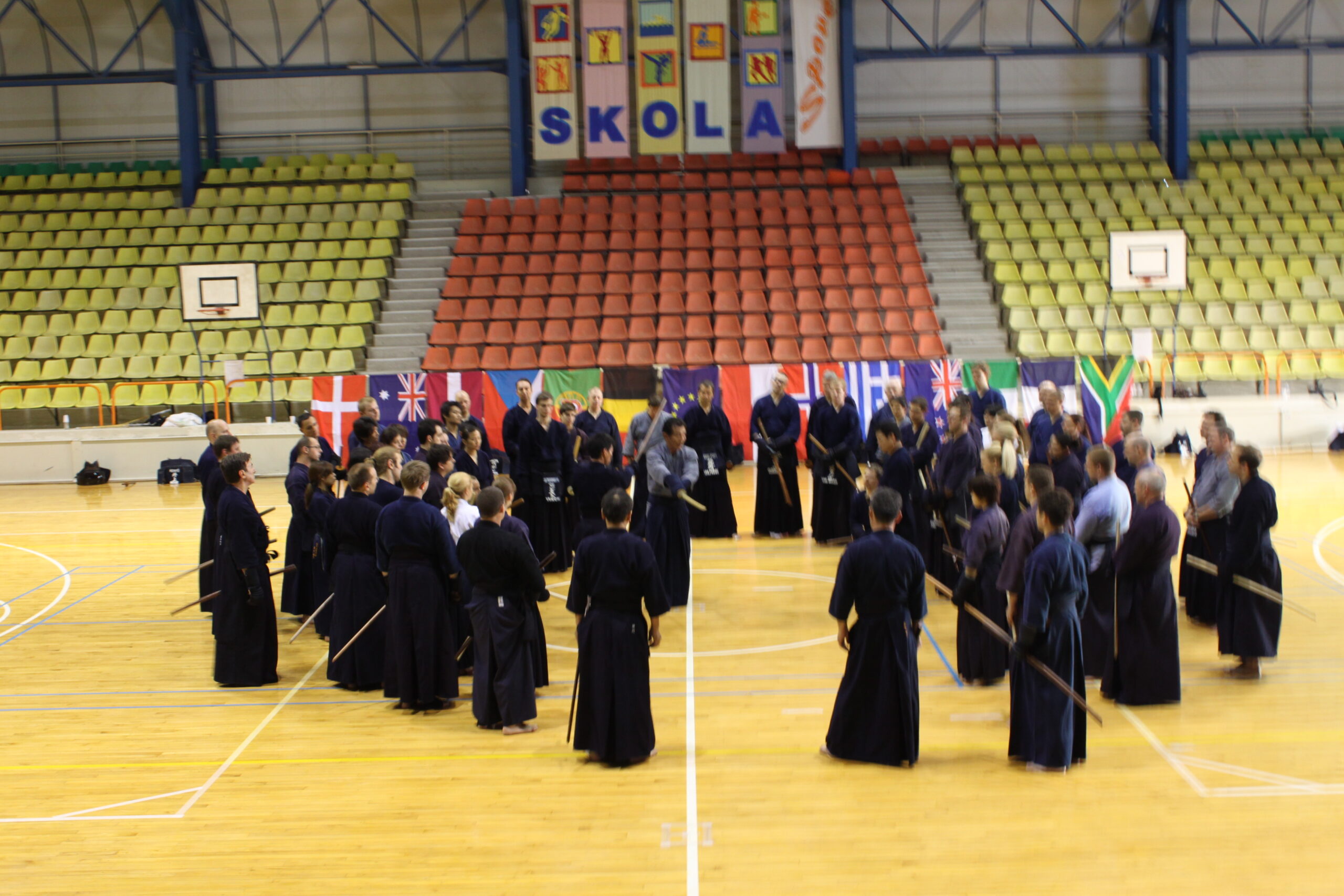
At that time, the Kodokan Seminar, AKA the SSS (Sumi Sensei Seminar), had begun life as the Thames Valley Kyōkai Seminar and had already been running for two years under the guidance of Jumpei Matsumoto Sensei, with Shoji Enomoto Sensei, Emeritus Professor at Nanzan University and an esteemed Budō historian taking the lead for 1988. Enomoto Sensei was in England on a sabbatical year, during which he was researching the history of British and European fencing.
Both were exceptional teachers and held in the highest regard by all who attended. However, neither was able to join us for the following year.
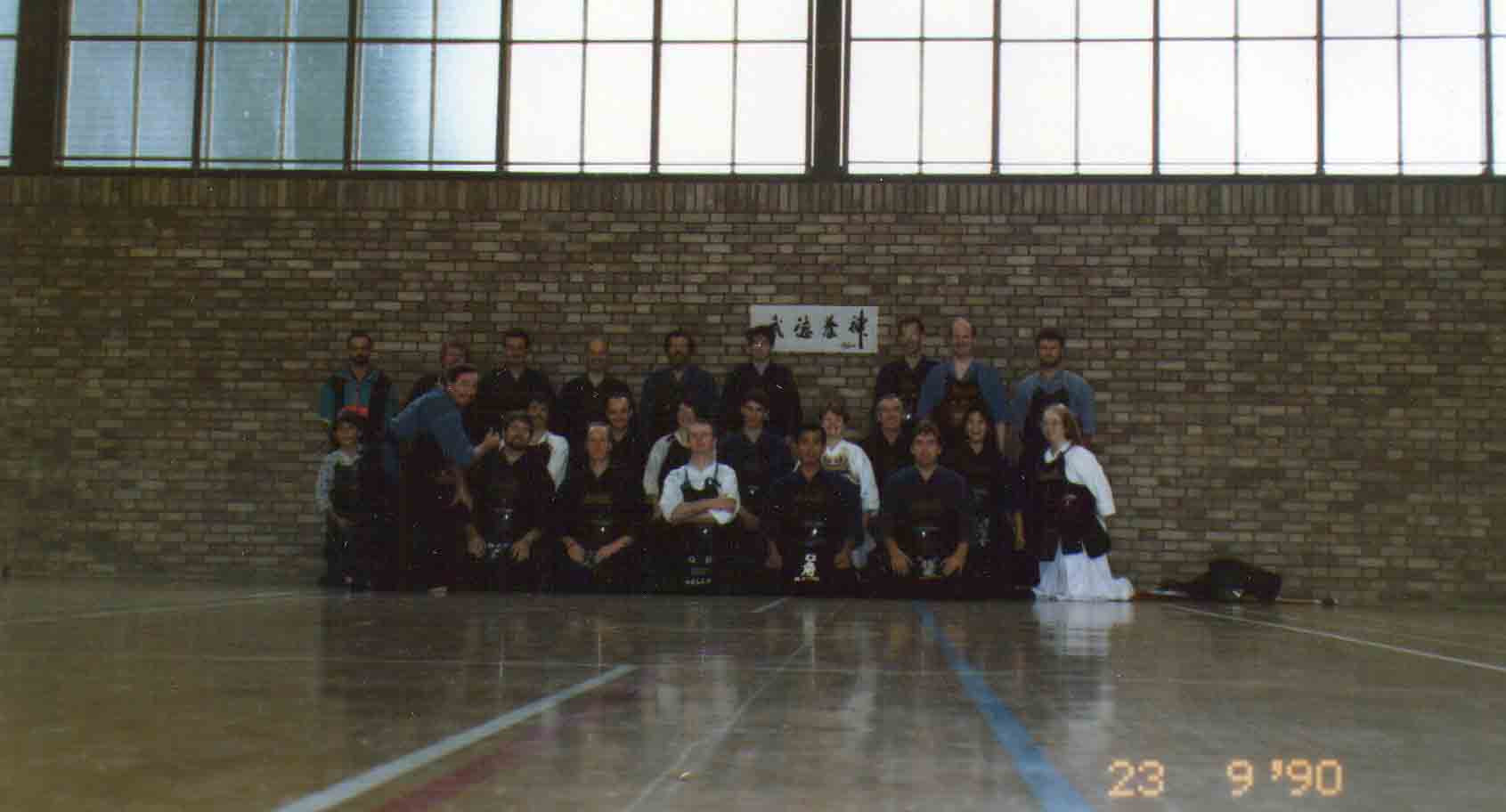
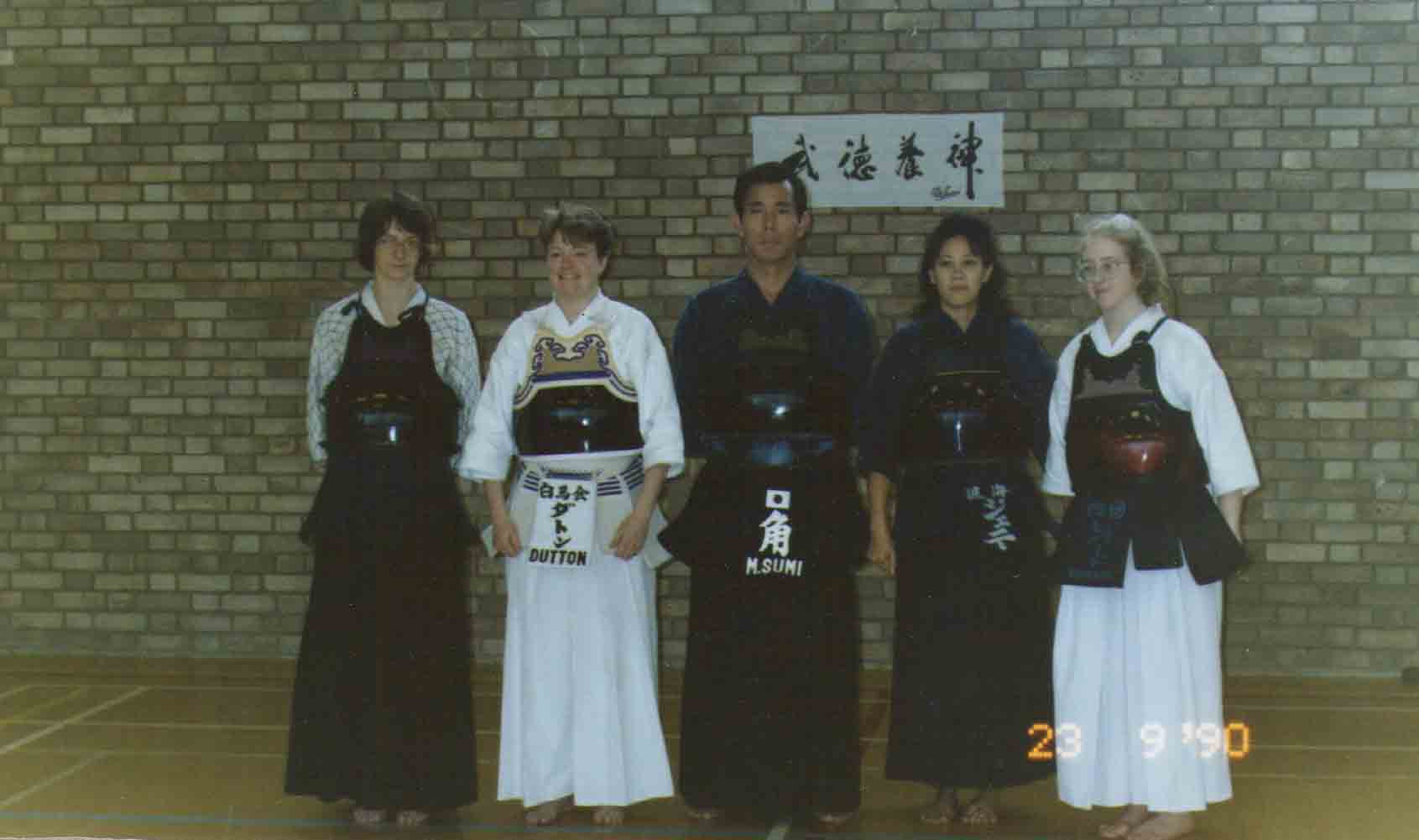
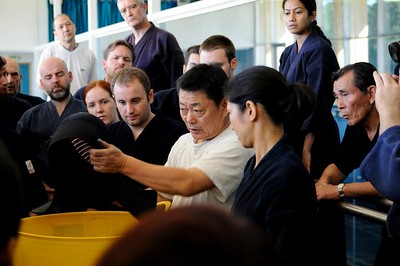
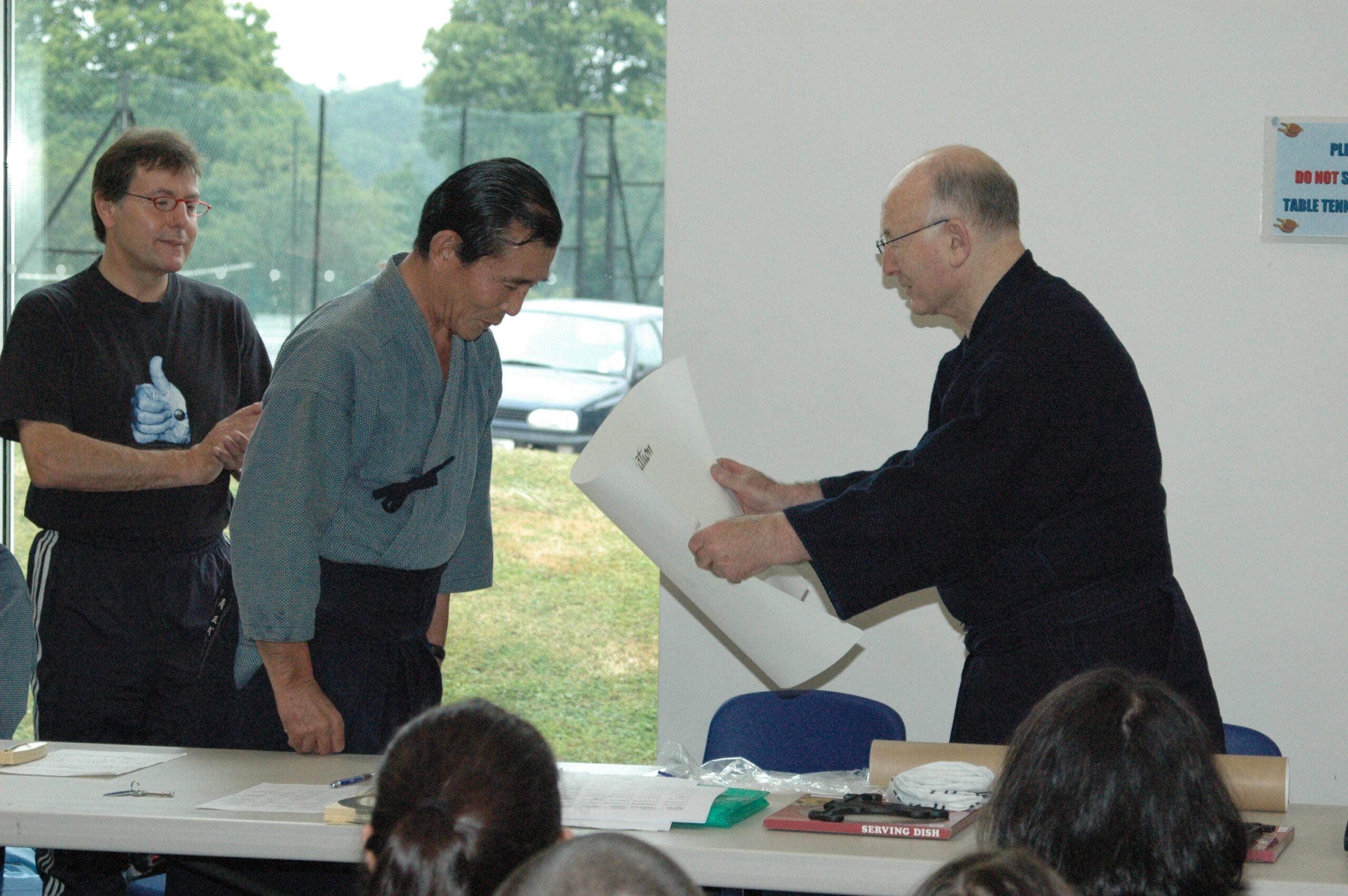
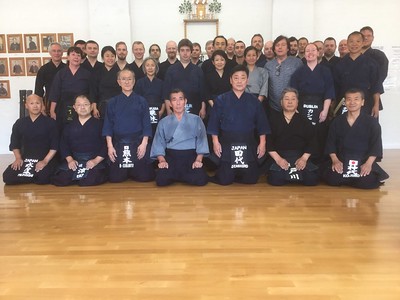
In conversation, I asked Sumi Sensei if he might lead the seminar the following year. Without hesitation, he graciously accepted—and that decision changed everything. His first Kodokan Seminar, held in 1989, marked the beginning of an extraordinary legacy.
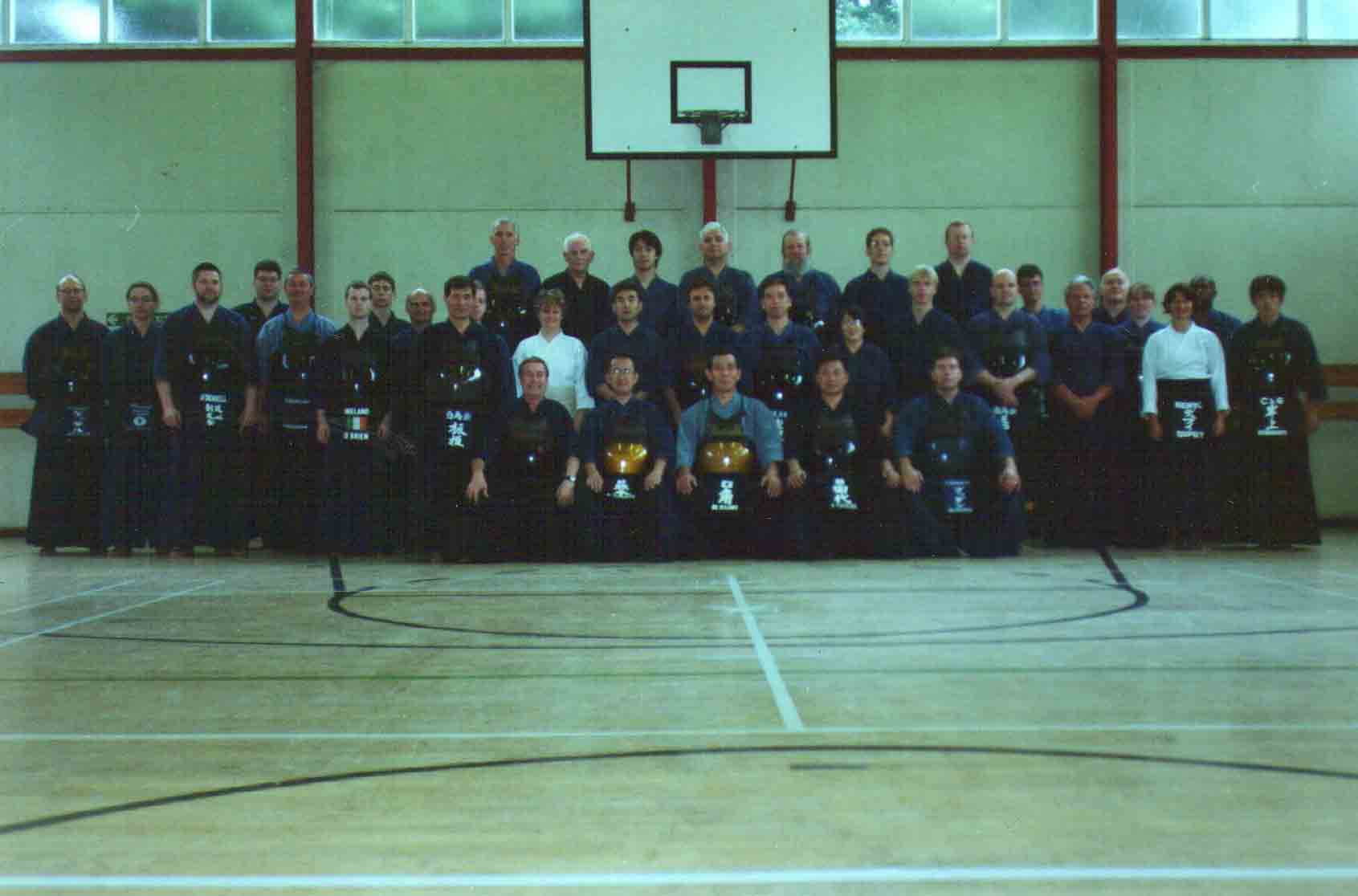
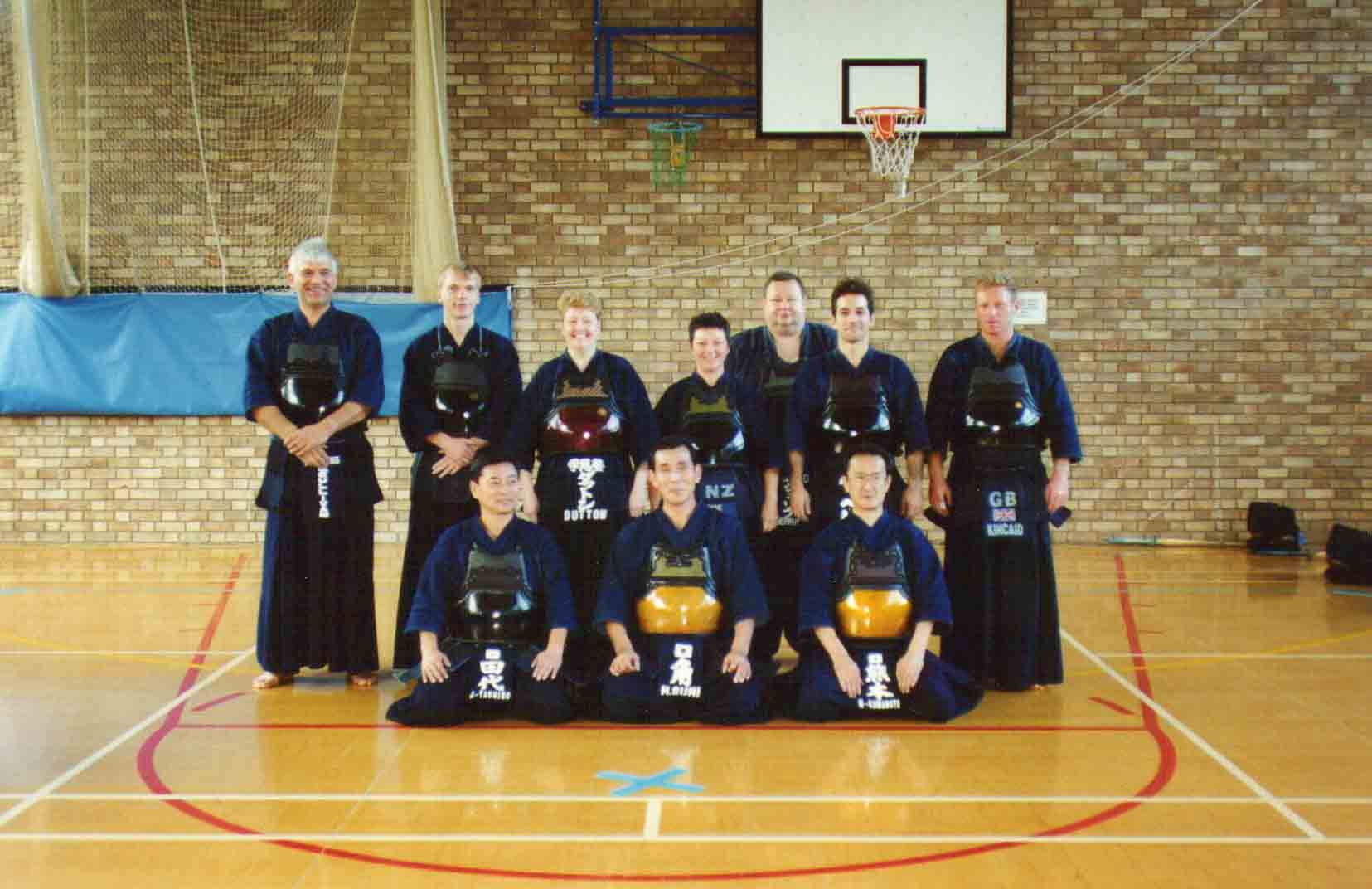
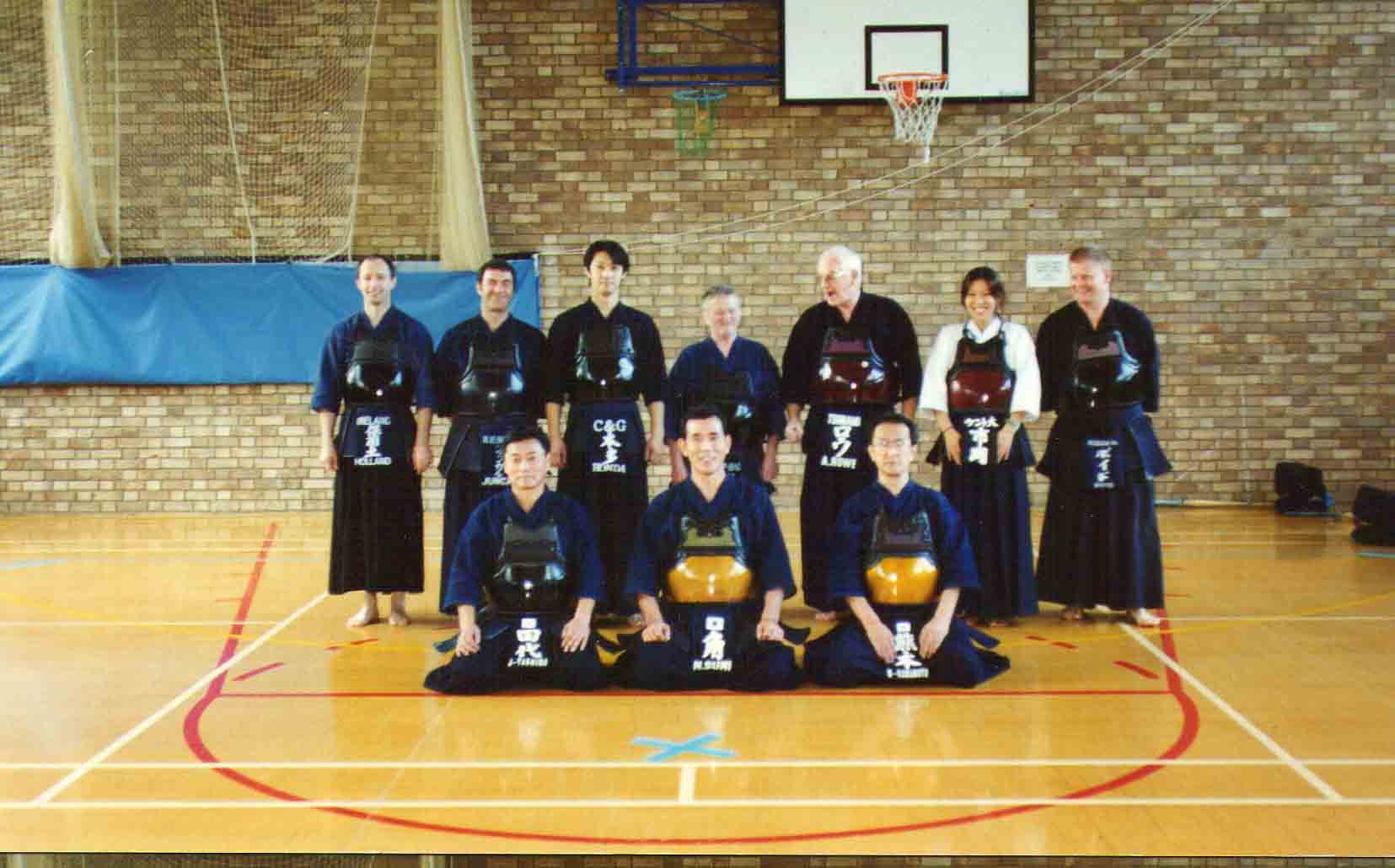
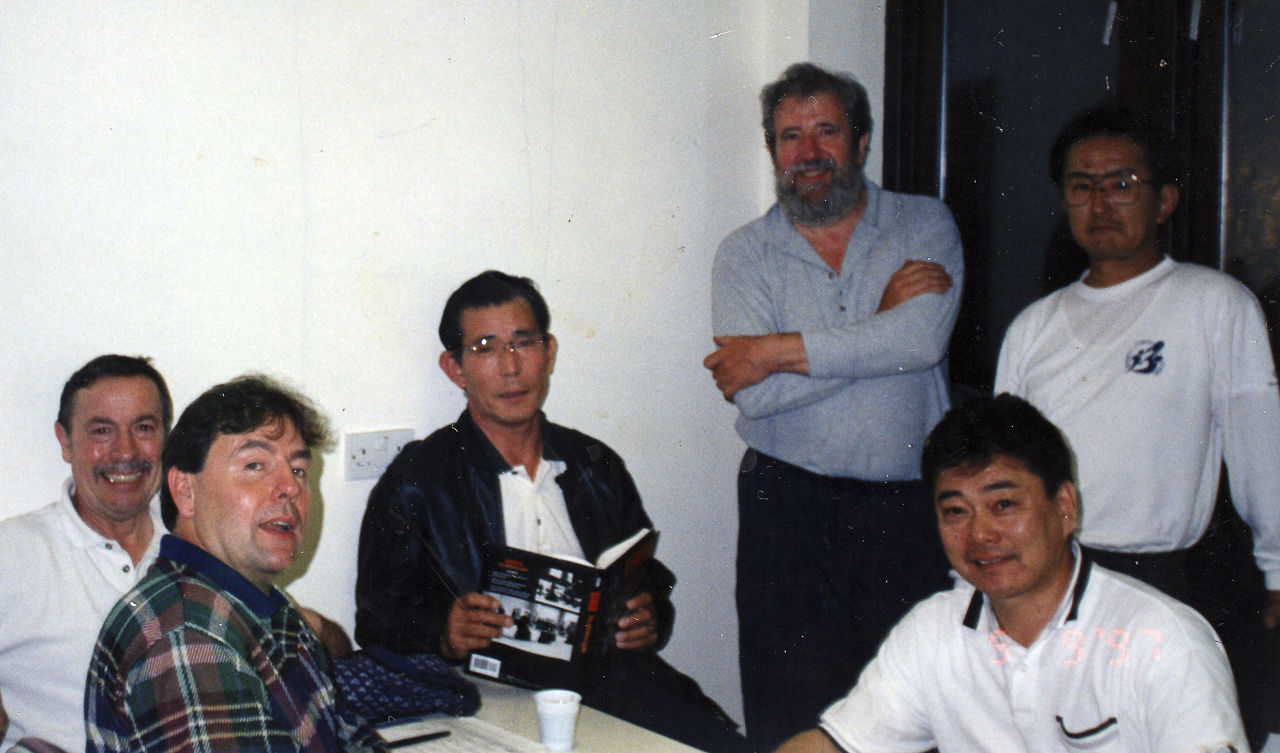
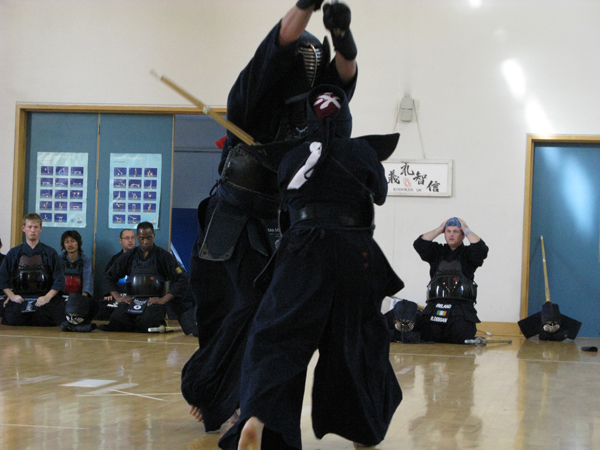
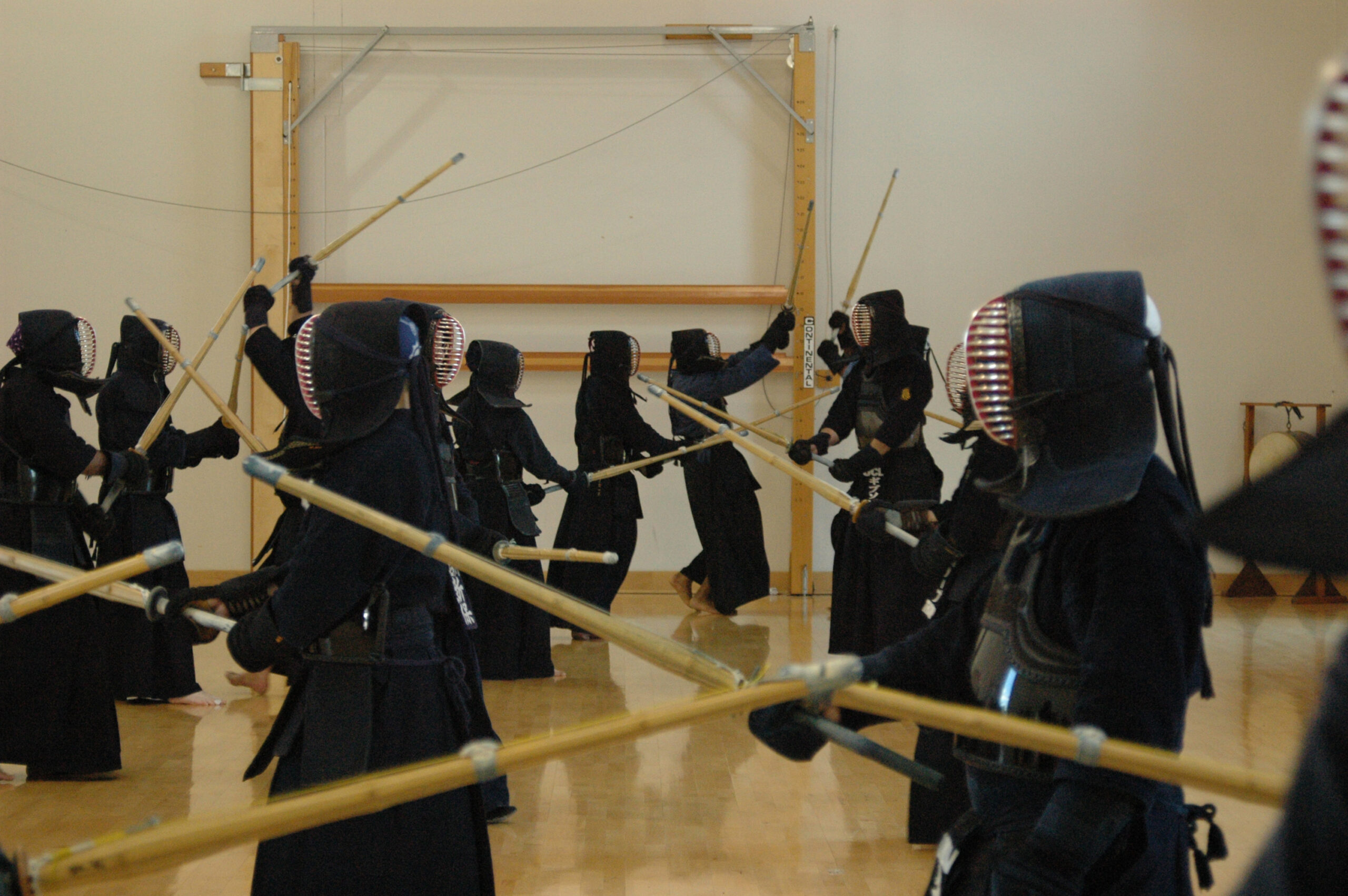
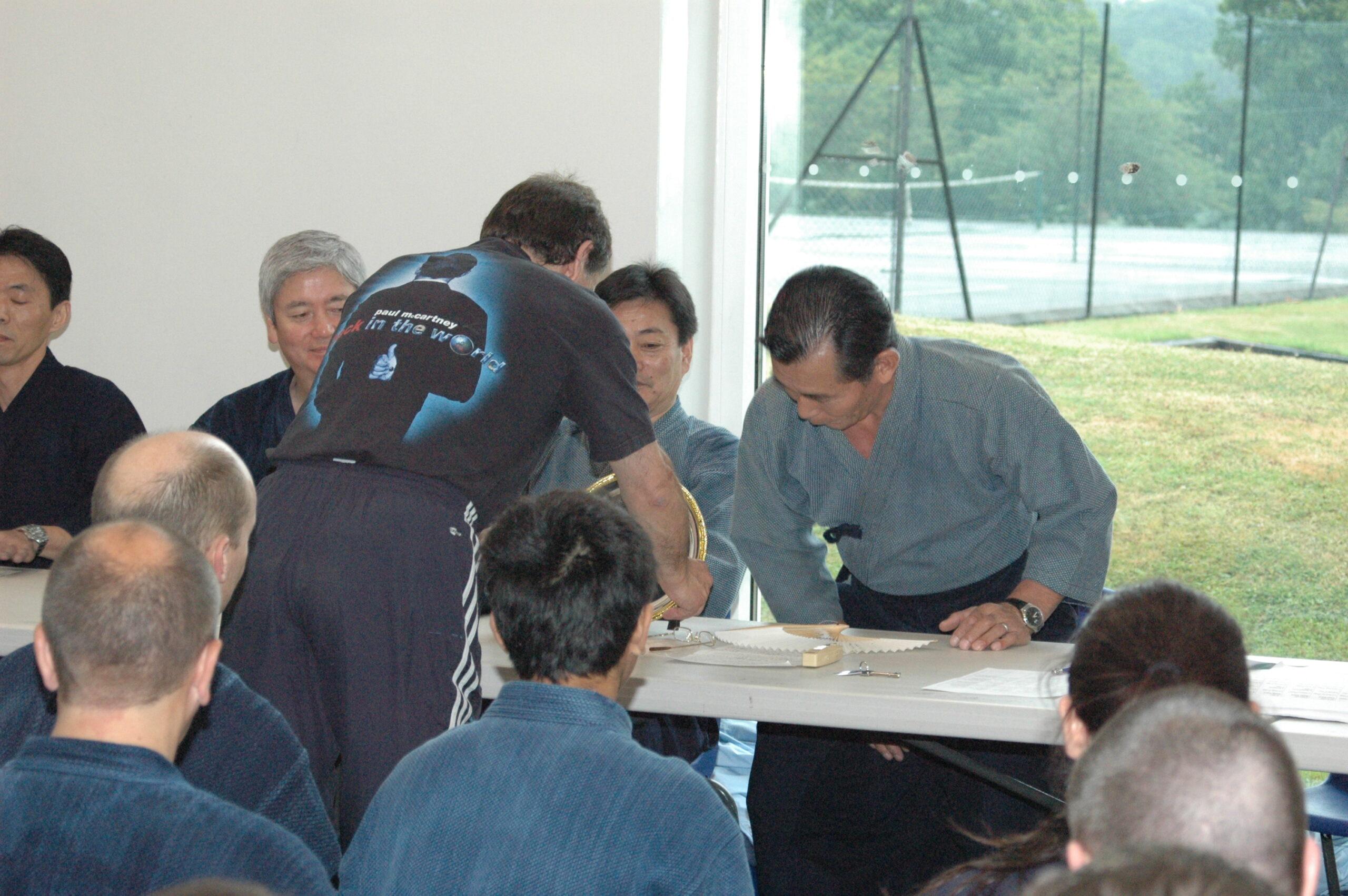
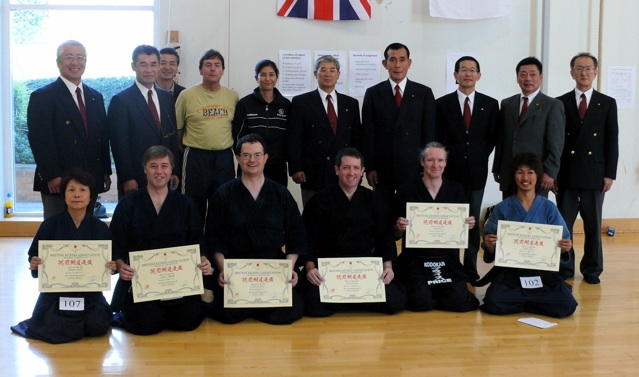
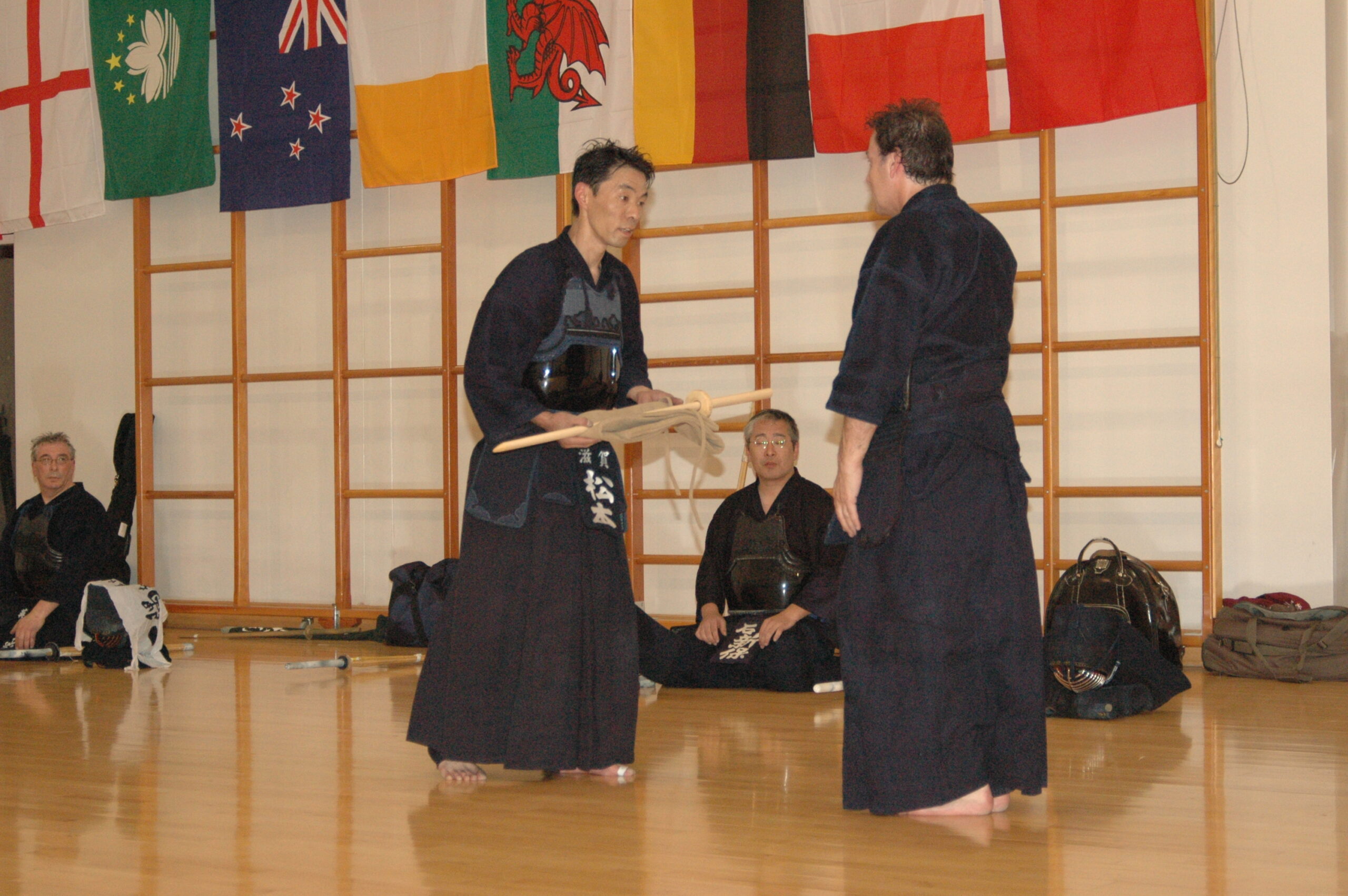
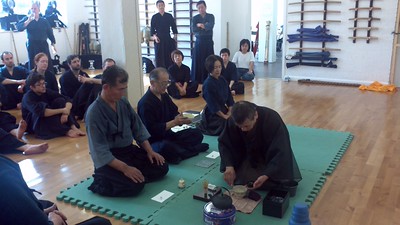
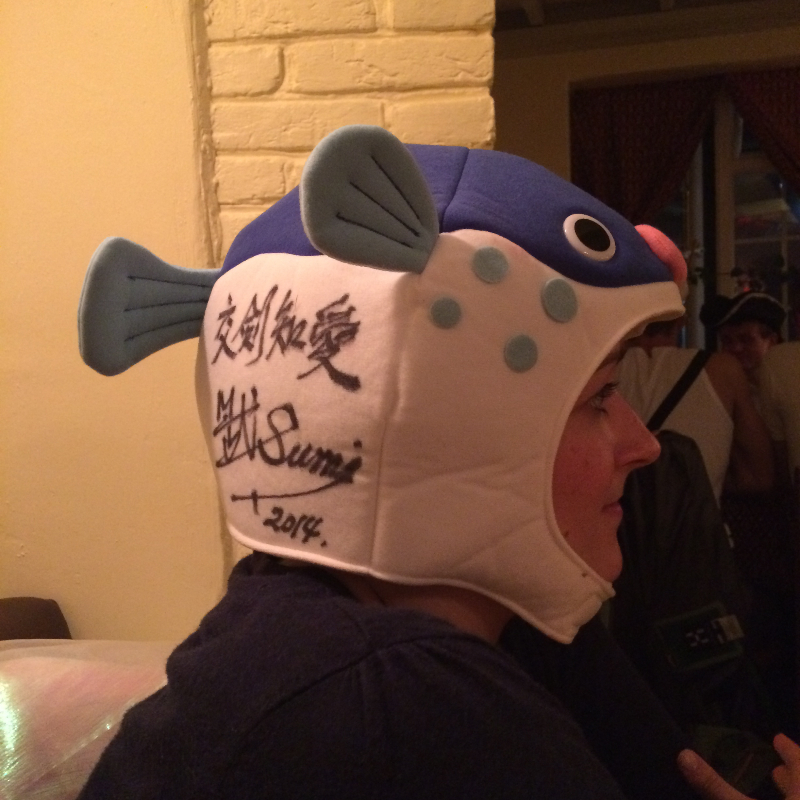
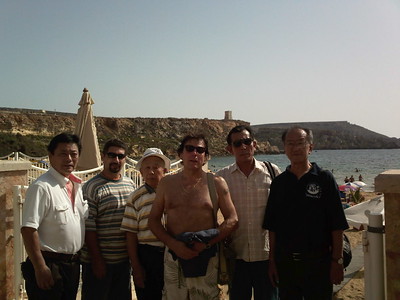
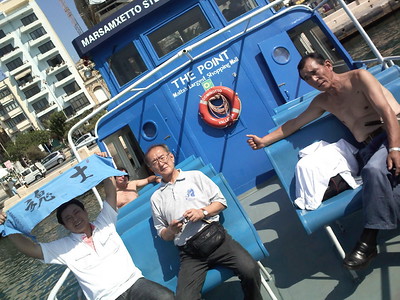
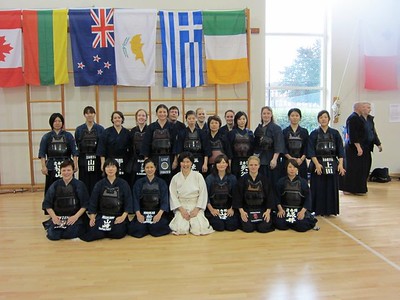
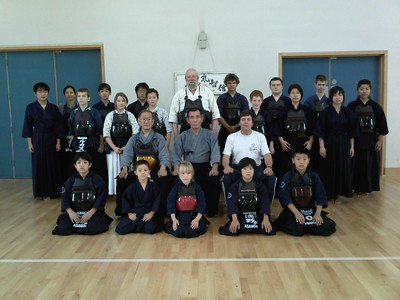
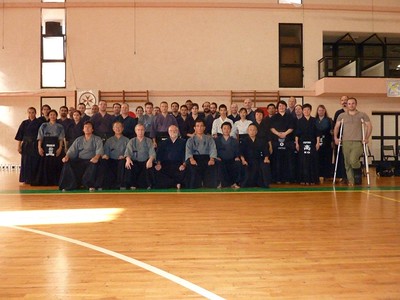
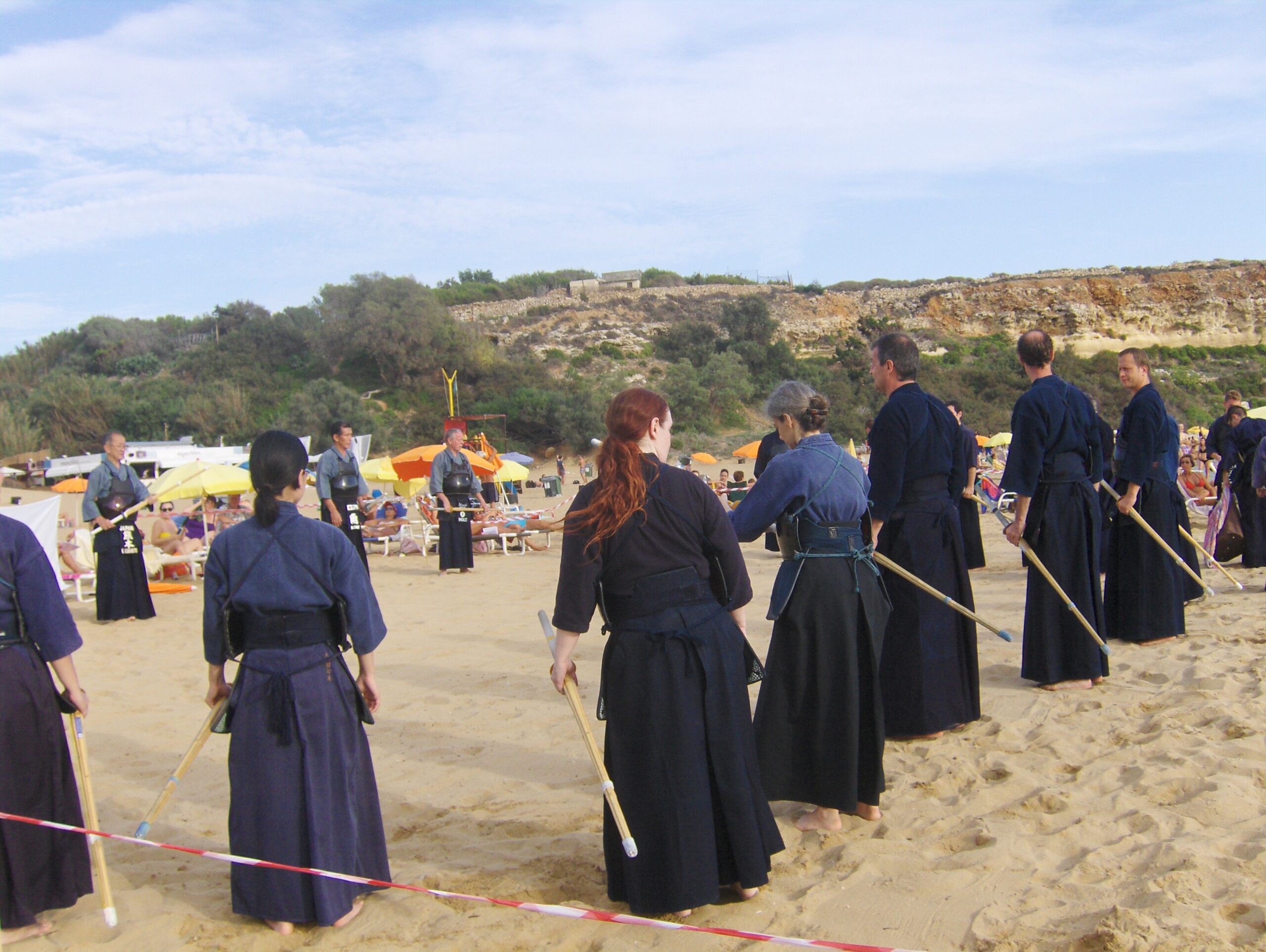
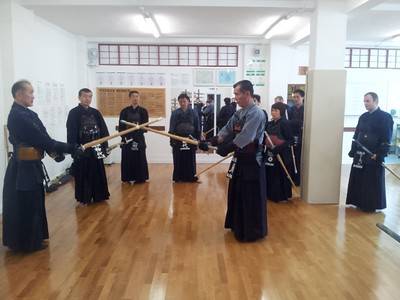
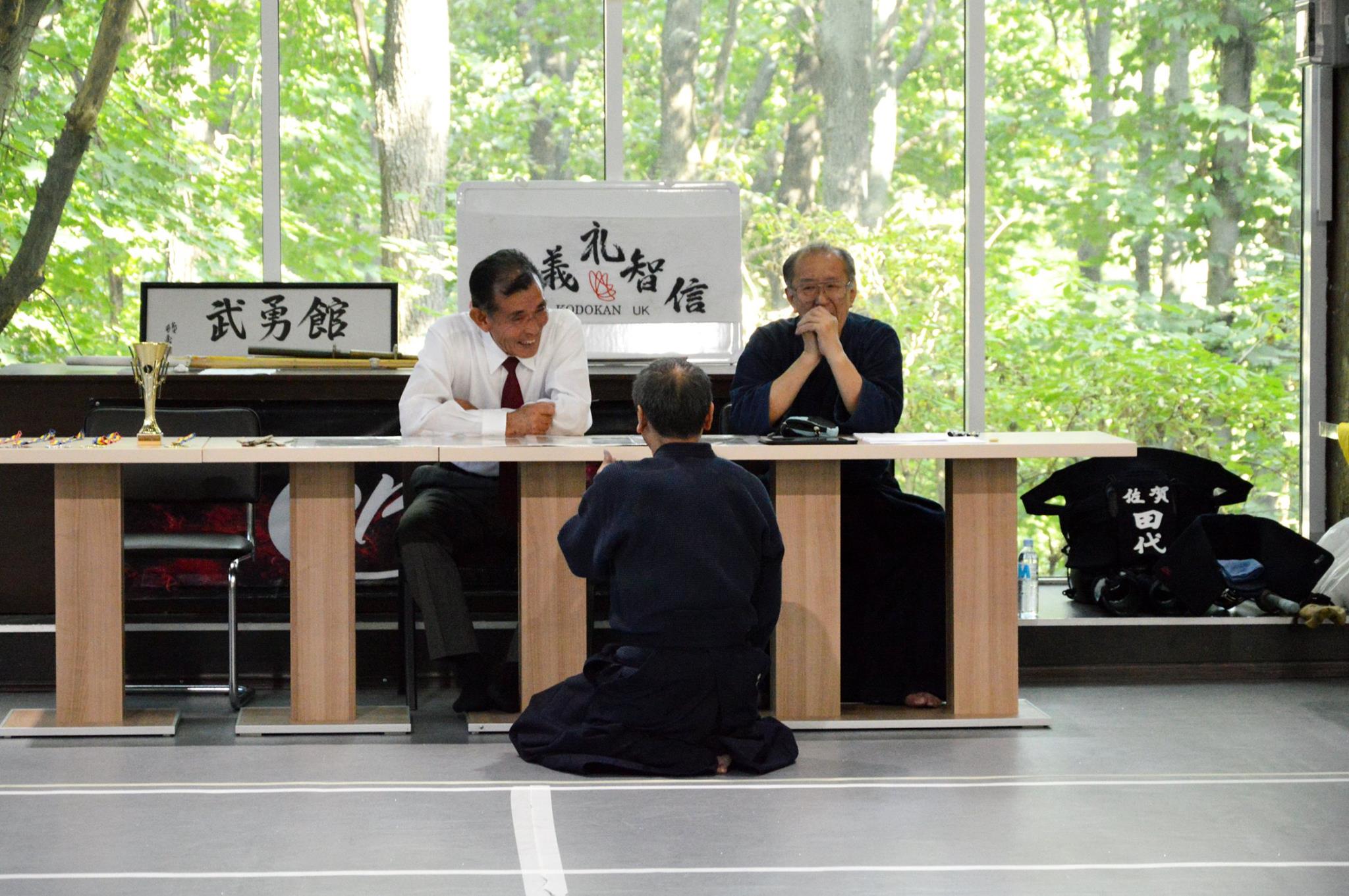
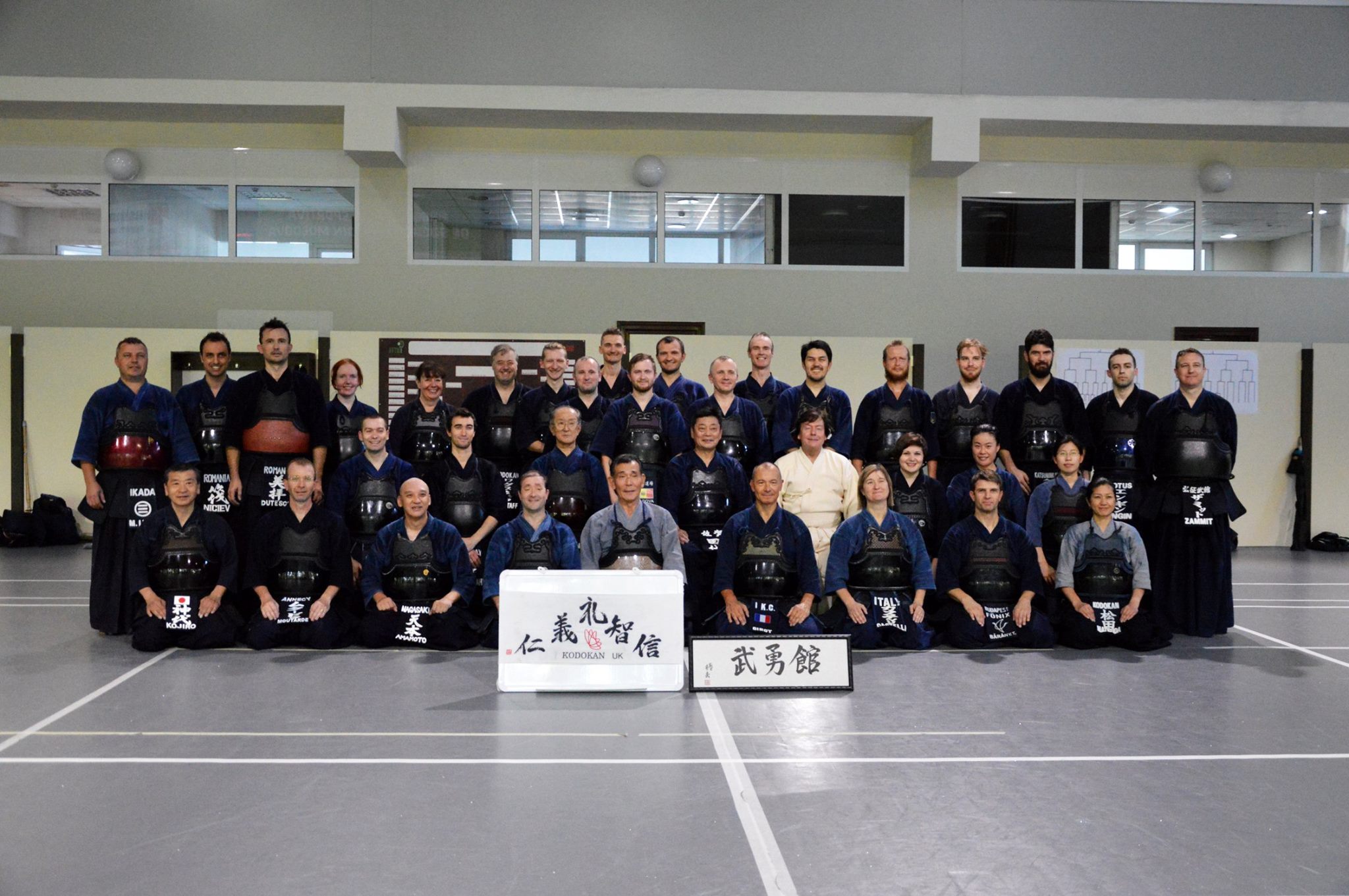
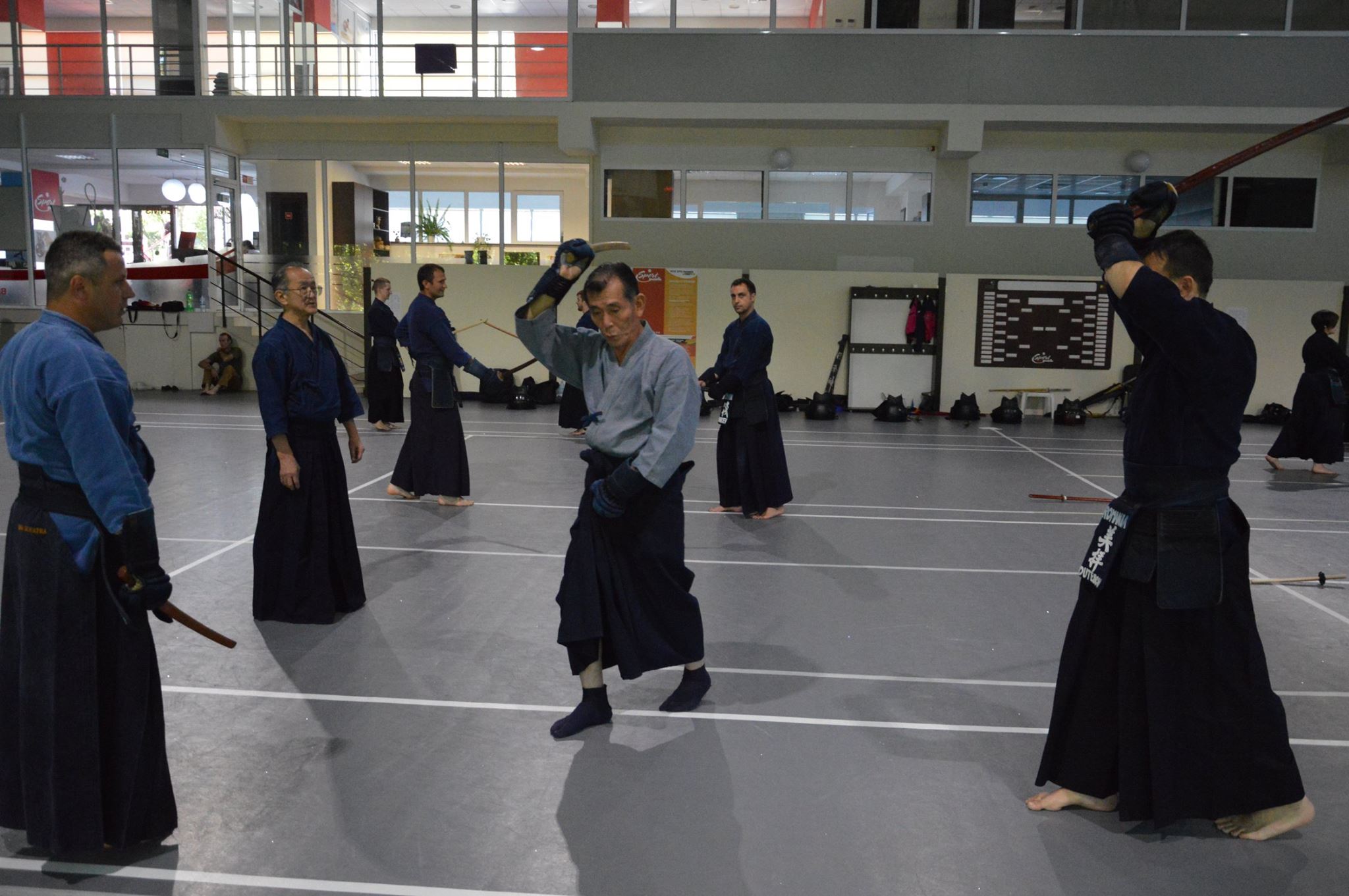
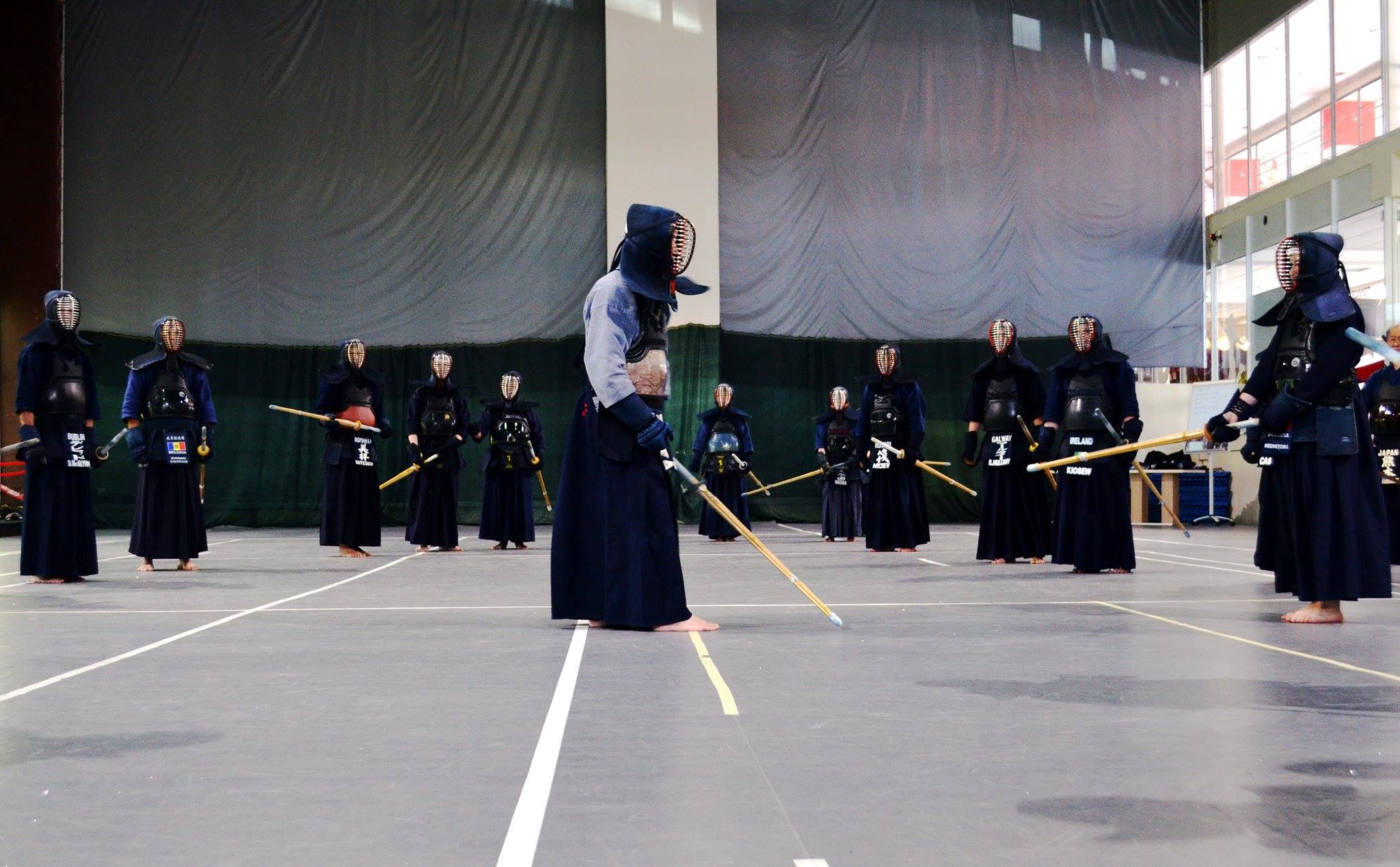
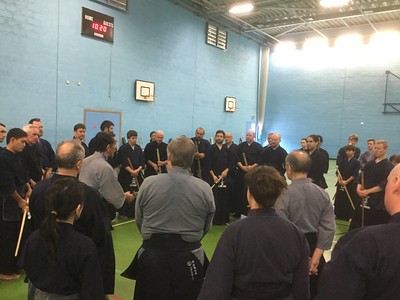
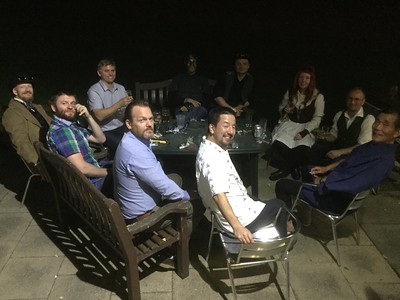
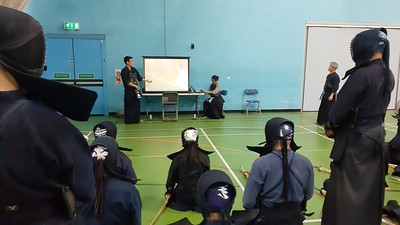
As of today, he has led the event for twenty-nine consecutive years, often accompanied by his close friends Junichi Tashiro Sensei and Morio Kumamoto Sensei, with many other teachers contributing not only to the training but also to the cherished “Après Kendo” gatherings that came to define the Kodokan spirit. The renowned ‘Fancy Dress’ sayonara parties became so popular with the Sensei that they later introduced the idea to their own monthly trainings with Sumi Sensei in Saga.
Although the seminar was briefly interrupted by the COVID-19 pandemic and now sadly by Sensei’s ill health, it continues today in his honour and under his continuing influence. In keeping with his guidance, the seminar is carried on faithfully in accordance with “Sumi-ryu” principles, preserving the standards and philosophy he established.
“I wish to extend my deepest gratitude to all who have supported the seminar over the many years, joining us from countries across the world. I am especially grateful to those who carried on without hesitation during Sensei’s absence. Your unwavering dedication is the truest reflection of the spirit that Sumi Sensei has instilled in each of us, and it continues to inspire our shared journey.”
Masatake Sumi was born in Fukuoka Prefecture in 1943, Sumi Masatake Sensei graduated from Chikushigaoka High School before continuing his studies at Fukuoka Gakugei University (now the Fukuoka University of Education). After graduation, he worked as a high school teacher and later returned to Fukuoka University of Education as an assistant professor and later appointed as Professor.
From 1999 to 2002, he served as a permanent director of the All Japan Kendo Federation (AJKF). Among his competitive achievements, he was placed third in the 23rd Meiji-mura Kendo Tournament. He was also the ladies’ coach for the Japanese national team at the 11th World Kendo Championships in Santa Clara, USA.
Sumi Sensei is the author of several influential works, including:
- Kaoru no Michi
- Training Methods for Kendo by Age
- Kendo Is About Basics
- Kendo for Personal Development
He is currently Professor Emeritus at the Fukuoka University of Education and serves as head of their Kendo Club.
Sumi Masatake Sensei’s Kendo Journey
- Began kendo at age 8 in primary school, Fukuoka.
- Achieved ranks rapidly:
1-dan at 15
2-dan at 16
3-dan at 19
4-dan at 20
5-dan at 23
6-dan at 26
7-dan at 32
8-dan at 47, successfully passing at his first attempt among more than a thousand applicants— an extraordinary accomplishment.
- In 2001, awarded the rank of Hanshi, one of only three conferred that year (none were awarded the previous year). At the time, there were roughly 350 Hanshi among 600 Hachidan, highlighting the rarity and distinction of this title.
- Served as Captain of the Fukuoka team in the All Japan Professors’ Championships and as President of the University Kendo Association of Kyushu.
Reflection
Sumi Sensei is, without question, a teacher of the highest calibre—the finest I have ever met or could ever hope to meet. His technical precision, depth of insight, and profound humanity have shaped generations of kendoka.
At Kodokan, we remain deeply fortunate for his guidance, his example, and his enduring friendship. Personally, I feel immense pride in having studied under him for so many years. Above all, I cherish the generosity, warmth, and mentorship he has shared with us—qualities that continue to illuminate the path for all who follow.
Sensei Associated with the Kodokan Seminar
Hanshi, Hachidan
- Masatake Sumi – Hanshi, 8-dan
- Isao Uegaki – Hanshi, 8-dan
- Susumu Nagao – Hanshi, 8-dan
- Kaoru Sumi – Hanshi, Naginata
Kyoshi, Hachidan
- Junichi Tashiro – Kyoshi, 8-dan
- Yukuo Iwao – Kyoshi, 8-dan
- Fumio Mori – Kyoshi, 8-dan
- Kiyoharu Kai – Kyoshi, 8-dan D*
- Tsutomu Yasuda – Kyoshi, 8-dan
Kyoshi, Nanadan (7-dan)
- Jumpei Matsumoto – Kyoshi, 7-dan
- Shoji Enomoto – Kyoshi, 7-dan
- Morio Kumamoto – Kyoshi, 7-dan
- Yoshinori Inoue – Kyoshi, 7-dan D*
- Norio Kojiro – Kyoshi, 7-dan
- Sotaro Honda – Kyoshi, 7-dan
- Geoff Salmon – Kyoshi, 7-dan D*
- Gerry Tscherter – Kyoshi, 7-dan
- Norimitsu Yanai – Kyoshi, 7-dan
- Daihachiro Togawa – Kyoshi, 7-dan D*
- Hiromi Fujita – Kyoshi, 7-dan
- Toshiyuki Shinbo – Kyoshi, 7-dan
- Naoki Yamamoto – Kyoshi, 7-dan
- Hideki Hamada – Kyoshi, 7-dan
- Hisataka Kuronita – Kyoshi, 7-dan
- Kuniyasu Inuzuka – Kyoshi, 7-dan
- Yasumasa Miyazaki – Kyoshi, 7-dan
- Takanori Ota – Kyoshi, 7-dan
- Shuhei Kajihara – Kyoshi, 7-dan
- Mitsuteru Mizuochi – Renshi, 7-dan
- Hiroyoshi Amamoto – Kyoshi, 7-dan
- Claude Pruvost – Kyoshi, 7-dan
- Alain Ducarme – Kyoshi, 7-dan
- Donatella Castelli – Kyoshi, 7-dan
- Sylvain Moutarde – Kyoshi, 7-dan
- Jeff Humm – Kyoshi, 7-dan
- Jean-Claude Girot – Kyoshi, 7-dan
- Tibor Bárány – Kyoshi, 7-dan
- Ryosuke Kato – Renshi, 7-dan
- Masahiro Imafuji – Renshi, 7-dan
- Andy Fisher – Renshi, 7-dan
D* = Deceased
Kodokan Seminar Venues (1986–2025)
1986 – Chesham High School, Chesham, Buckinghamshire
1987–1996 – Green Park Training and Conference Centre, Sports Facility, Aston Clinton, Buckinghamshire
1997–1998 – Brunel University, Newlands Park, Chalfont St Peter, Buckinghamshire
1999 – Green Park Training and Conference Centre, Sports Facility, Aston Clinton, Buckinghamshire
2000 – Brunel University, Newlands Park, Chalfont St Peter, Buckinghamshire
2001–2002 – St Joan of Arc Catholic School, Rickmansworth, Hertfordshire
2003 – Brunel University, Newlands Park, Chalfont St Peter, Buckinghamshire
2004–2008 – The Princess Marina Sports Complex, Royal Masonic School for Girls, Rickmansworth, Hertfordshire
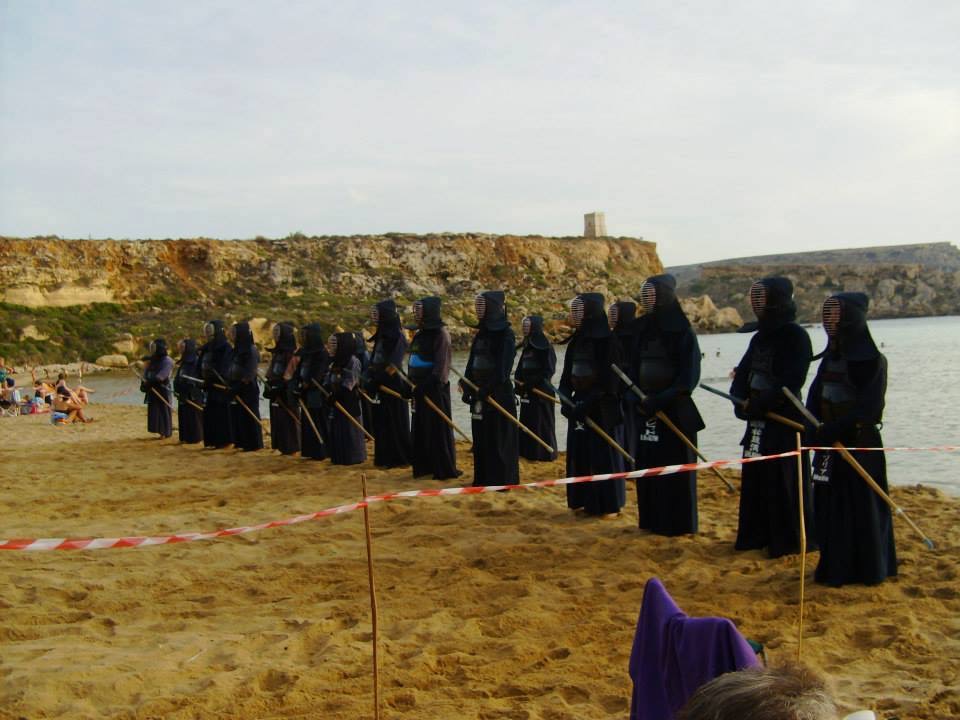
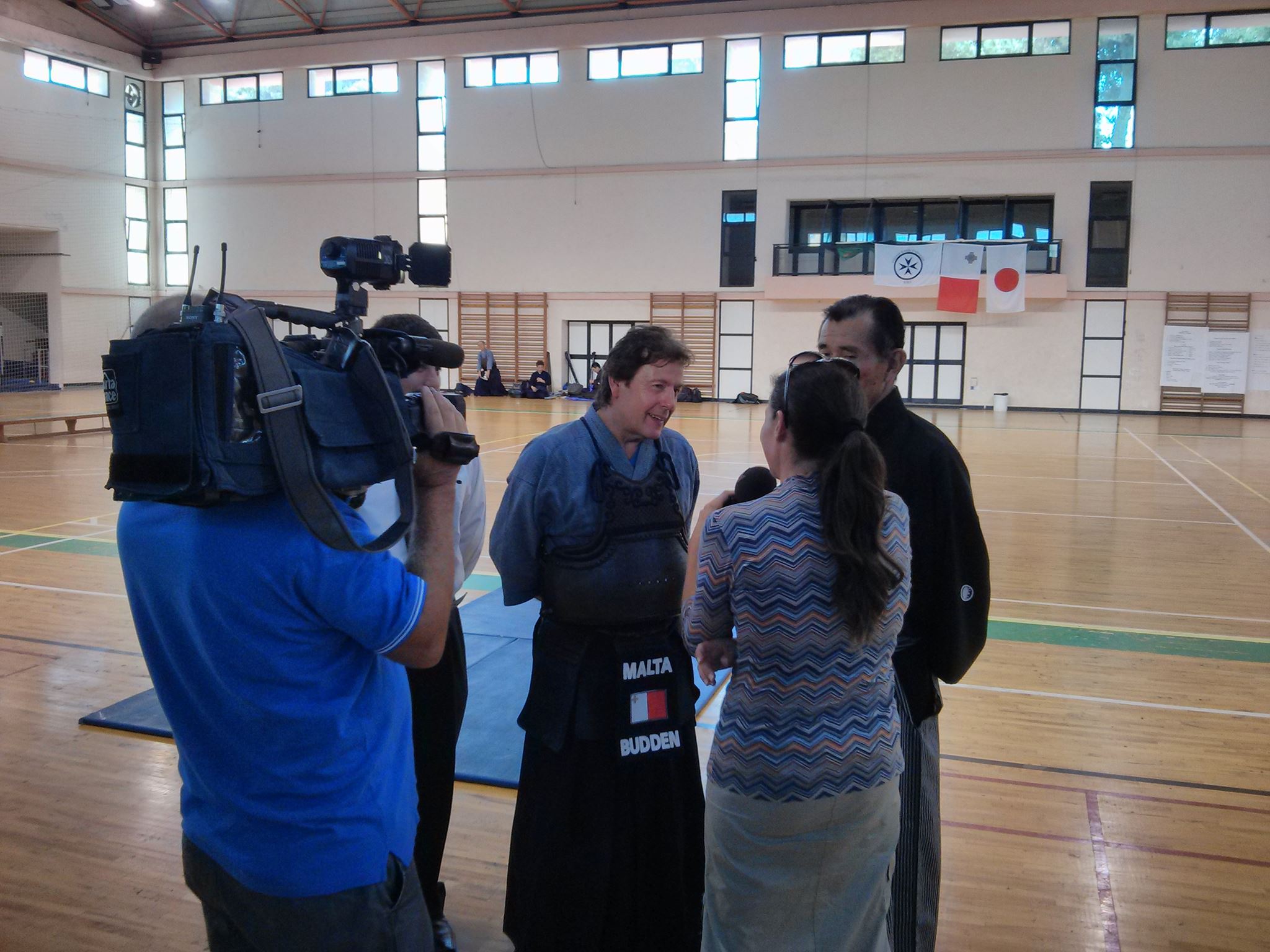
2009 – Gozo Sports Center. Victoria, Gozo. The Republic of Malta
2010 – The Princess Marina Sports Complex, Royal Masonic School for Girls, Rickmansworth, Hertfordshire
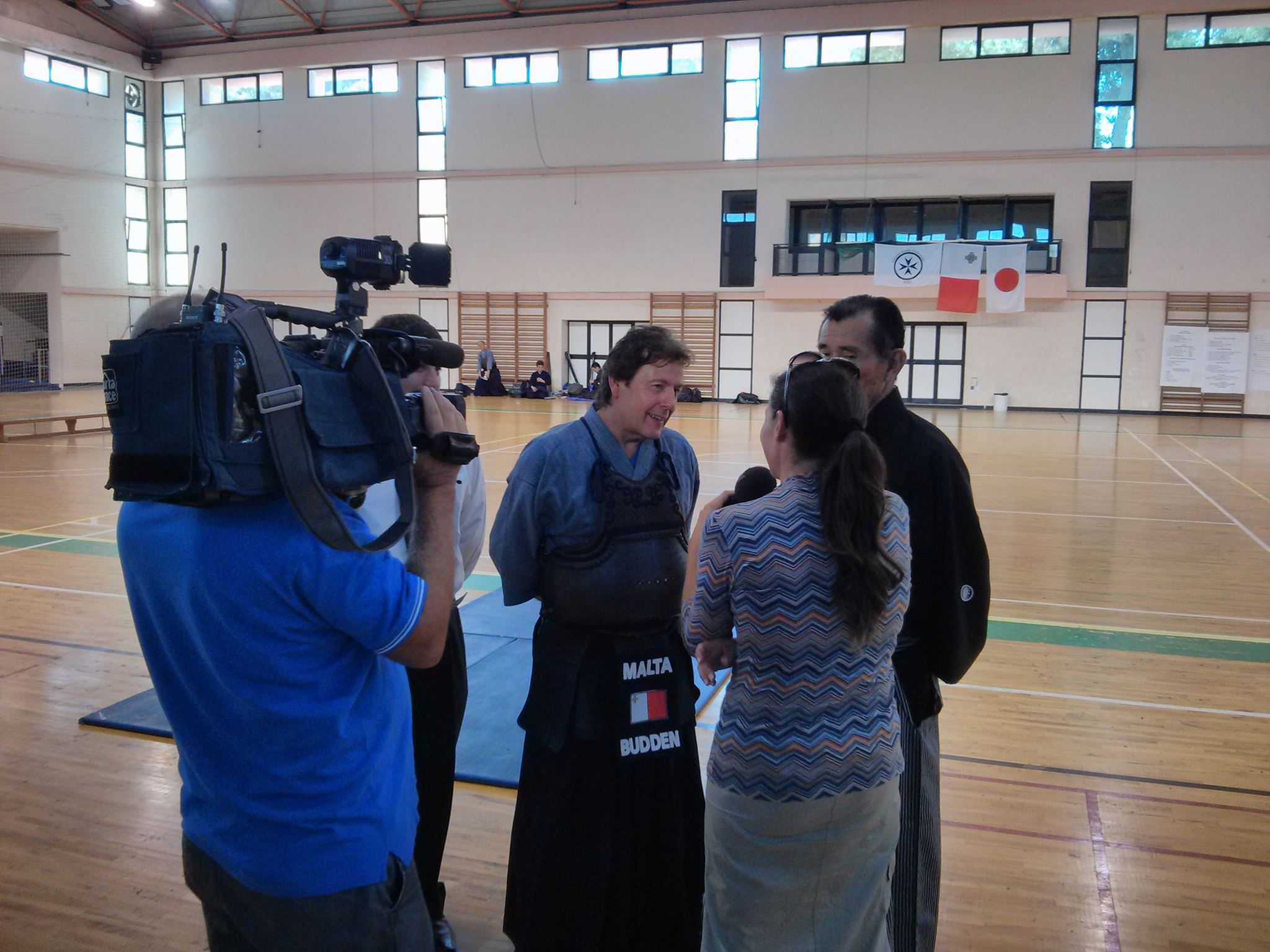
2011 – The University of Malta Sports Centre. Msida. The Republic of Malta
2012 – The Princess Marina, Royal Masonic School for Girls, Rickmansworth, Hertfordshire
2013 – The University of Malta Sports Centre. Msida. The Republic of Malta
2014–2015 – Kodokan Dojo and Watford Leisure Centre Central, Watford, Hertfordshire
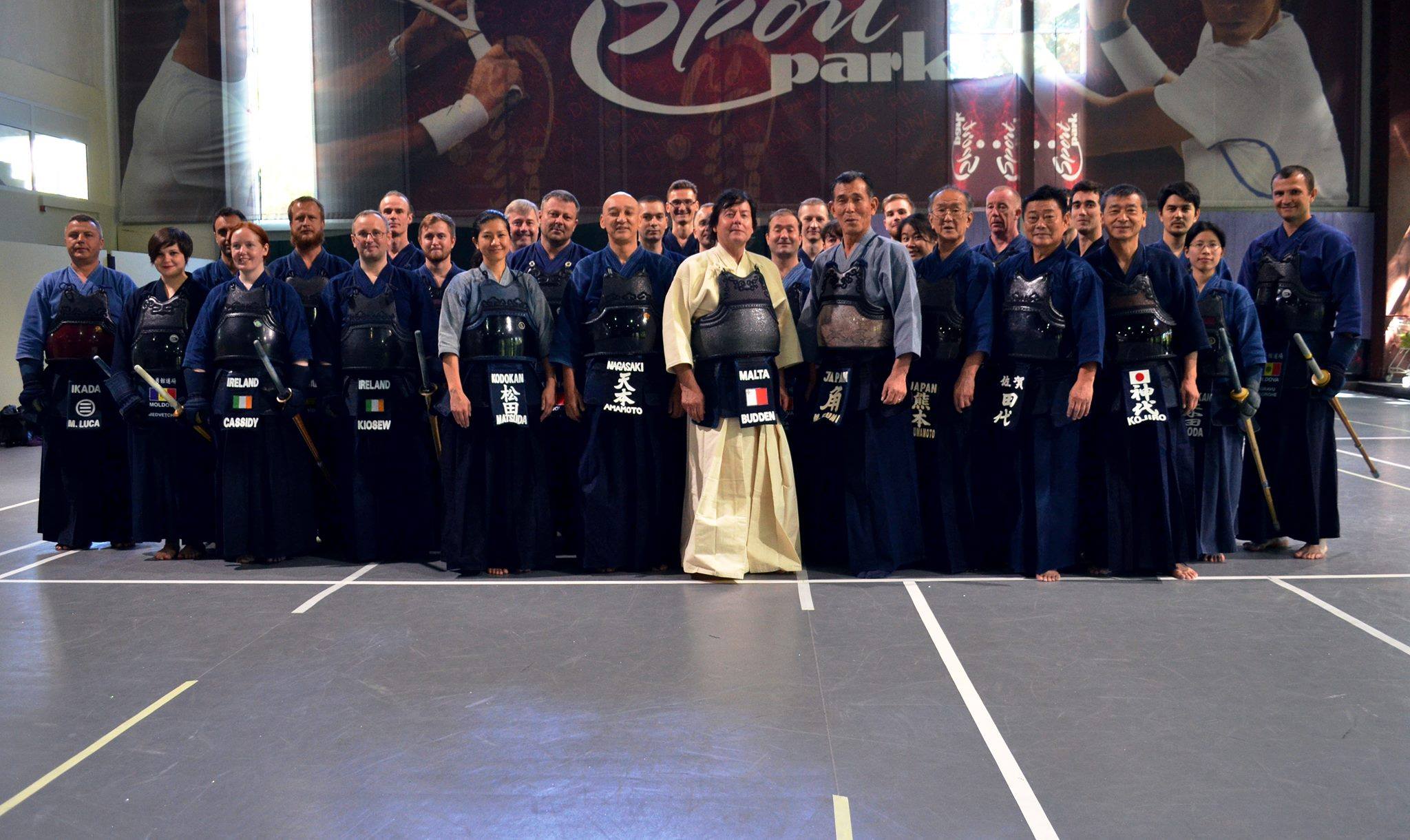
2016 – Sports Park, Chișinău, Republic of Moldova
2017– Kodokan Dojo and Watford Leisure Centre Central, Watford, Hertfordshire
2018 – Kodokan Kendo Dojo and Westfield Community Sports Centre, Watford, Hertfordshire
2022 & 2025 – The Dunstable Centre, Dunstable, Bedfordshire
In my role as Organiser and coordinator, I was supported throughout by the late Terry Holt, Kyoshi, 7-dan and as always by Kazuyo Matsuda, Kyoshi, 7-dan
Paul Budden Kyoshi, 7-dan
Copyright © 2025 Paul Budden
Kodokan Seminar 25th Anniversary Movie is available here