
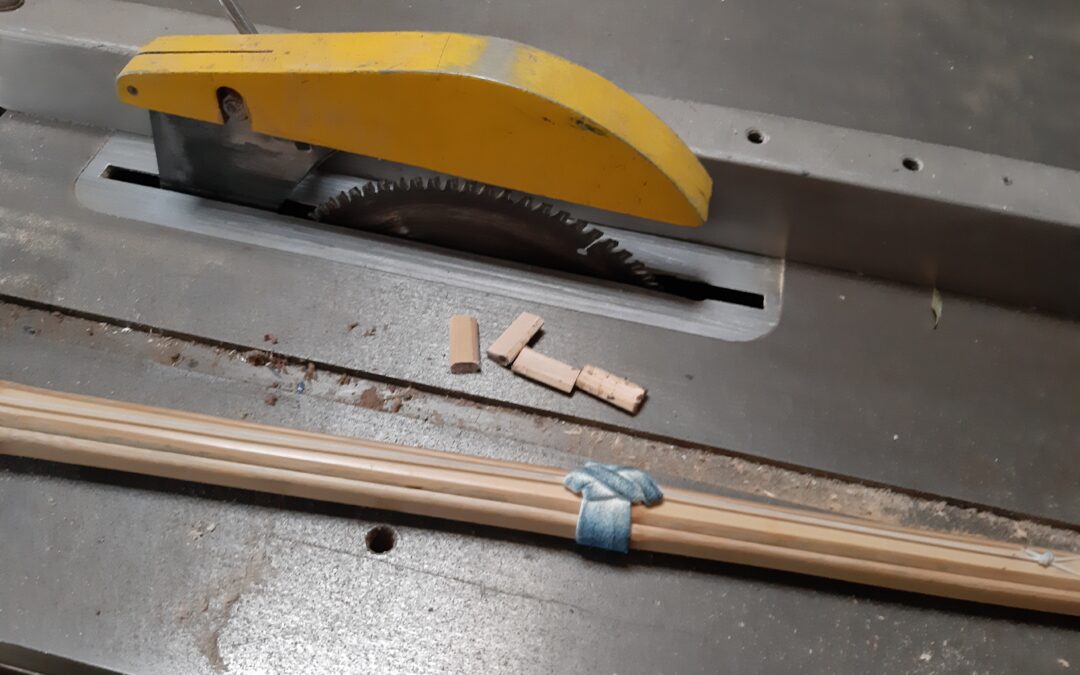
by Paul Budden
The following was written with adult Men & Women and older kenshi in mind.
I’m often asked this question, and while the traditional answer tends to be that a shinai should match your body and ability without being cut down arbitrarily, I think there is perfectly valid room for considered, purposeful customisation. The important point is that any adjustment should improve your kendo — not simply make things easier.
General Principles
- Regulation lengths exist for competition — not to restrict everyday training.
Federations such as the AJKF set maximum lengths and minimum weights for grading and shiai. These rules ensure fairness, but they don’t forbid sensible modifications for regular keiko, as long as safety and balance are preserved. If you do not plan to use a customised shinai in competition, you have more flexibility.
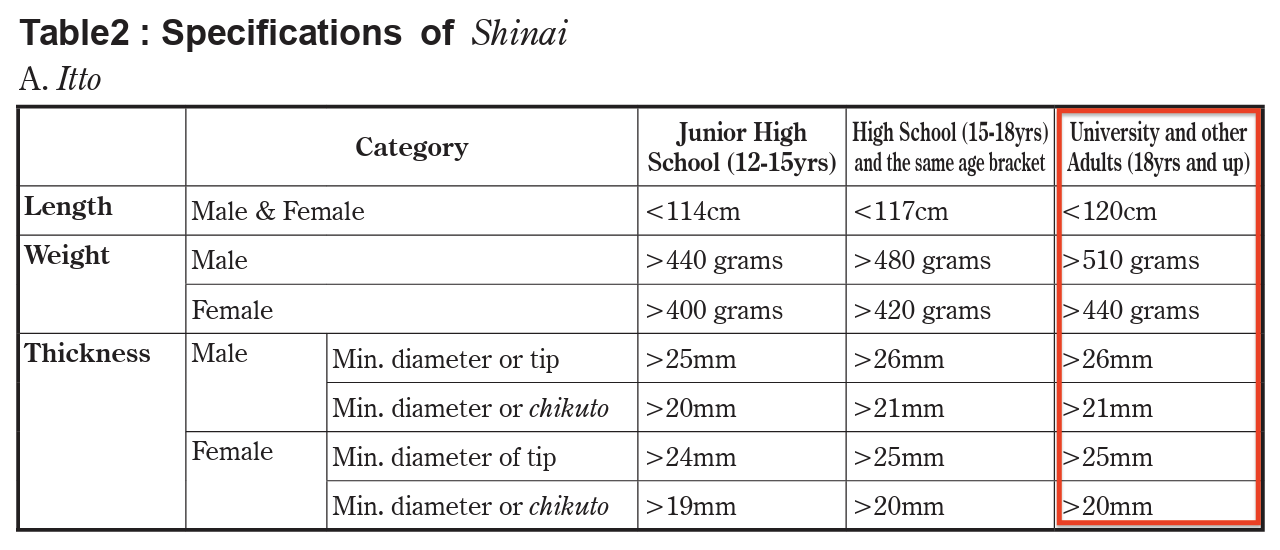
Extract from the current Regulations of Kendo Shiai and Shinpan by FIK 2023 Edition
- Customisation can be a practical and effective way to adjust balance.
Rather than forcing every player into rigid equipment templates, controlled customisation can tailor the shinai to your physique, grip style, reach, and training goals.
Common adjustments include:
- Slight shortening of the kissaki
- Slight shortening of the tsuka
- Choosing a different style (dobari, koto, koban grip, etc.)
These changes can fine-tune handling, responsiveness, and fatigue dynamics.
- Tsuka modifications are especially widely accepted.
Shortening or reshaping the handle is common, and many kendoka — including senior teachers — do it to get the right feel and leverage. This typically remains fully compliant with regulations.
Tailoring the Shinai to the Individual
Shorter players:
A modest trim to the kissaki or a dobari-style shinai can create balance that suits their reach and stance.
Taller players:
Sometimes benefit from a slightly longer tsuka or small adjustments to maintain tip control.
Stronger build:
A customised forward weight or subtly shortened tip can enhance cutting feeling.
Lighter build:
Minor reductions at the tsukagashira can make the shinai easier to handle while keeping power.
In other words, a one-size-fits-all approach isn’t always ideal.
Cutting the Shinai — Acceptable When Done Properly
While large, uncontrolled cuts are never advisable, small, precise adjustments are not only acceptable but can be extremely beneficial. When done by someone experienced — either a specialist maker or someone who understands woodworking and shinai structure — these modifications can maintain safety while delivering a more natural feel.
If a shinai feels slightly too long or unwieldy, customisation is a legitimate solution. Alternatives include:
- Adjusting tsuka length
- Fine trimming of the tip
- Selecting a different shinai model
- Adjusting grip and stance
All are valid approaches, but customisation is by no means taboo.
Custom Shinai: Guidance From My Sensei
My own Sensei — like many senior teachers — uses custom-made shinai crafted by a specialist. He also encouraged me to consider similar modifications. His advice for my personal use was to customise a size 39 Koban-grip shinai by:
- removing 20 mm from the kissaki
- removing 12 mm from the tsukagashira
These small adjustments improved balance and handling significantly, without compromising training expectations. I also use a 38 ‘Hasuji’ style tsuka manufactured by KenPro.
The key message from senior teachers is that the shinai should reflect one’s spirit, posture, and intention, not just generic measurements. A well-customised shinai can challenge the practitioner appropriately and support good technique.
However I’m quite fortunate being someone who has spent most of his life working as a carpenter in the exhibition industry, so I’m quite comfortable making careful, precise modifications where needed.
Final Thoughts
Customising a shinai — when done thoughtfully and safely — is not only acceptable but can genuinely support better kendo. The important points are:
- Understand why you’re making the adjustment
- Keep changes small and controlled
- Consult senior teachers or a knowledgeable maker
- Ensure competition compliance if that matters to you
Copyright © 2025 Paul Budden