
by Paul Budden
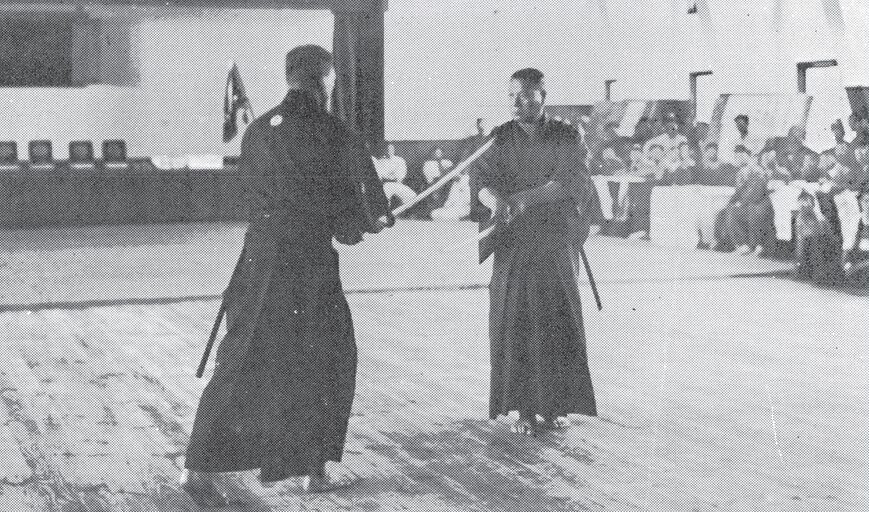
Even in the formal, pre-arranged movements of Kendo no Kata, seme — the pressure of intent — is ever-present. Unlike in free practice (jigeiko), where seme is expressed dynamically through attack and reaction, in kata it manifests subtly through posture, maai (distance), kiai (spirit), and metsuke (gaze). Each step, each posture, and each movement carries the silent pressure of initiative, challenging the opponent to respond. In Ipponme, for example, the uchidachi’s forward intent applies seme before the cut, and the shidachi learns to sense it, timing their movement perfectly. In essence, kata becomes more than a set of movements — it becomes a training ground for the mind and spirit, teaching practitioners to feel and project seme even without physical contact.
What seme means in Kendo
Seme (攻め) = pressure, initiative, or the act of breaking the opponent’s spirit or guard before striking.
It’s not just physical; it’s mental and spiritual dominance — the feeling of “I will strike, and you cannot stop me.”
In kata, that inner intention (気位 kigai, 気迫 kihaku) is always present — even though the form is predetermined.
Seme in Kendo no Kata
In the Nihon Kendō Kata, seme appears through:
- Kamae (構え) – correct posture and spirit.
- Each person must project readiness and pressure toward the opponent.
- Maai (間合い) – distance control.
- The uchidachi (teacher side) and shidachi (student side) subtly invade or maintain space through movement.
- Kiai and Metsuke (気合と目付け) – spirit and gaze.
- Eyes, breath, and mental energy direct force at the opponent — the invisible seme line.
- Tame (溜め) – the moment of spiritual compression before action.
- You can feel seme most clearly right before uchidachi initiates the cut and shidachi responds.
Examples of seme in specific kata
- Ipponme (first kata):
Uchidachi applies seme forward from jōdan, forcing shidachi to respond by taking the correct timing to counter.
→ The seme here is vertical pressure — strong intent from above. - Sanbonme (third kata):
Both sides press inward; shidachi’s counter relies on sensing uchidachi’s spiritual and physical seme to find the instant of opening (suki). - Nanahonme (seventh kata):
A subtle psychological battle — each step forward carries seme in posture, eyes, and breathing, long before the cut.
In short
Yes — seme exists in kata, but it is internal rather than reactive.
In jigeiko, seme manifests dynamically to create a strike.
In kata, seme manifests through spirit, posture, gaze, and breathing — a silent dialogue of intent.
As many sensei say:
“Without seme, kata is only movement. With seme, kata becomes keiko.
It’s interesting because Sumi sensei had introduced me to his ‘signals or triggers’ Pages 25 & 26 in Looking At A Far Mountain ‘Revisited’ which adds to the mix as a further interpretation of seme from the shidachi side.
Copyright © 2025 Paul Budden