
Articles
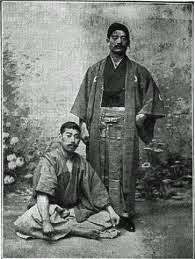
The Special Relationship of Japanese Martial Arts with the British Armed Forces
On Sunday, 11th March 2018, I attended the British Army’s 8th Invitational Kendo Competition held at FOX Gymnasium in Aldershot as Shinpan cho (Referee Director). The Combined Armed Forces
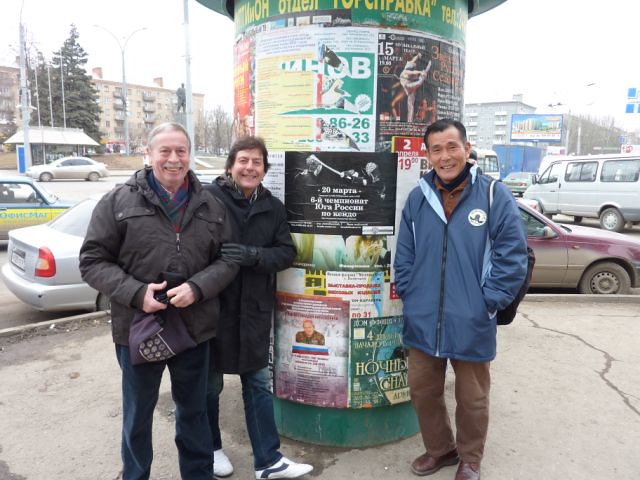
Masatake Sumi Sensei Hanshi, Hachidan (1943 -2026)
It is with deep sadness that we announce the passing of Masatake Sumi Sensei.
A teacher of the highest calibre and without question the finest instructor I have ever met or could ever hope to meet. His technical precision,
A Personal Interpretation of Ki-Ken-Tai-Itchi
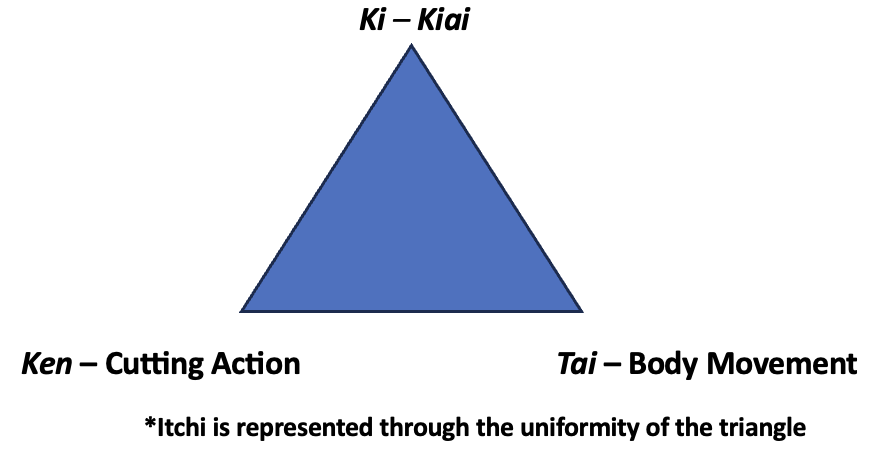
I’d like to offer a personal interpretation on the concept of Ki-Ken-Tai-Itchi.
A principle that will shape every strike you make from now on.
Even as beginners, you can understand this clearly and start applying it right away.
A Personal Reflection on Masatake Sumi Sensei and the Kodokan Seminar
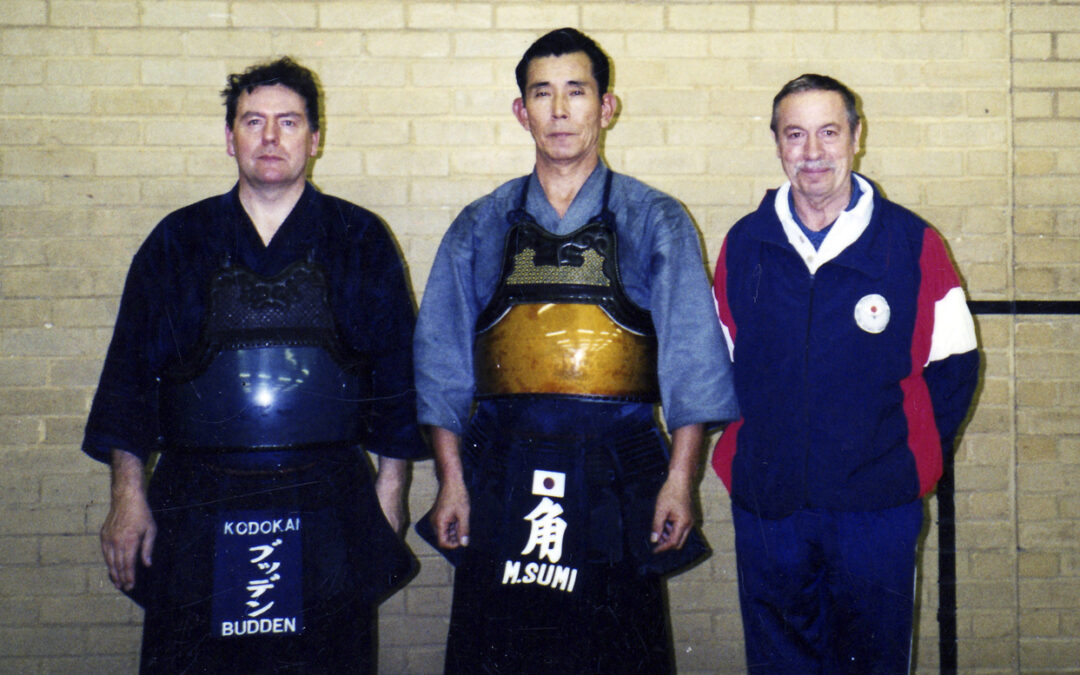
By Paul Budden I first met Masatake Sumi Sensei in the spring of 1988 during a visit to France. At the time, I had organised—together with Terry Holt Sensei—for a group of British kendoka from the Thames Valley Kyōkai (a group of six clubs from within the Thames...
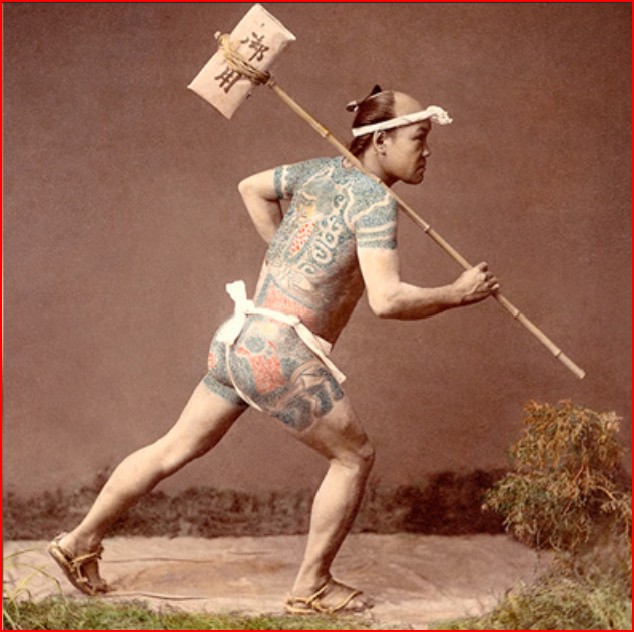
Namba Aruki
Namba Aruki (or Namba Walking) was the running and walking style famously used by the express runners (Hikyaku 飛脚) during Japan’s Edo Period (1603–1868). These runners formed the lifeline of government communications, tasked with carrying messages swiftly between Edo (modern Tokyo) and the provinces.
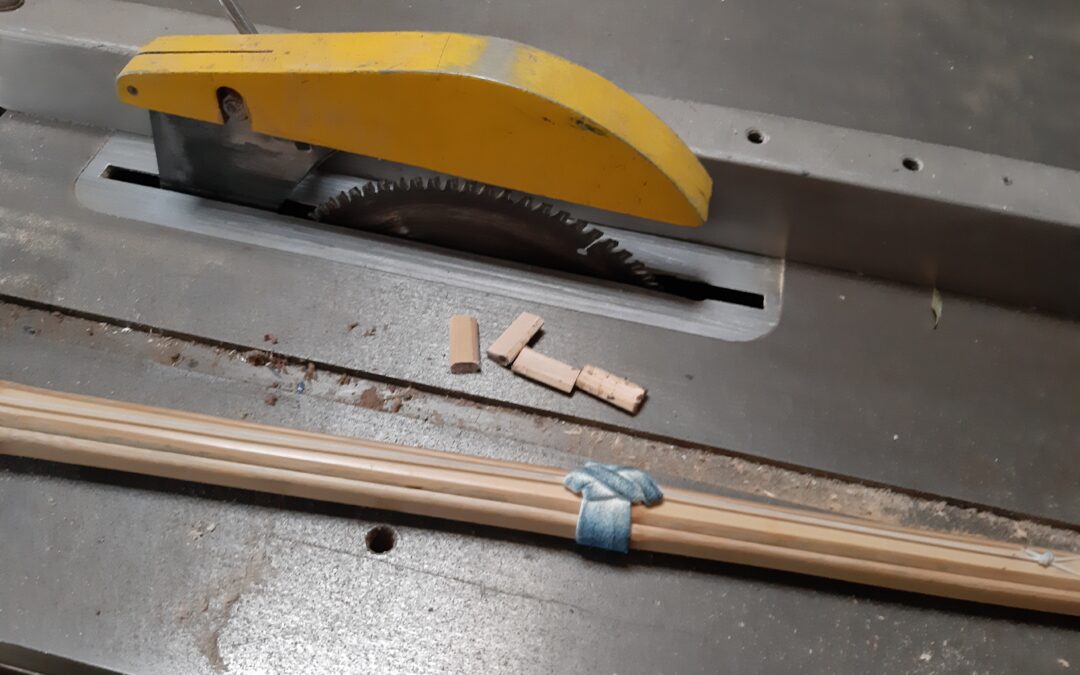
Should We Cut Shinai to Suit Our Height and Build?
I’m often asked this question, and while the traditional answer tends to be that a shinai should match your body and ability without being cut down arbitrarily,
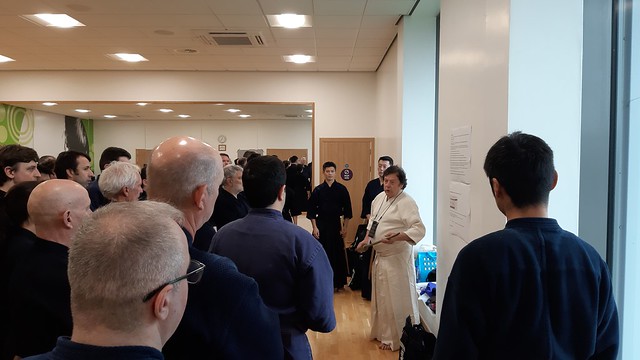
A Personal Interpretation on Shu, Ha, Ri
The idea of Shu–Ha–Ri is often explained in grand, philosophical terms, but for me it has always been a simple, practical way of understanding how we learn.
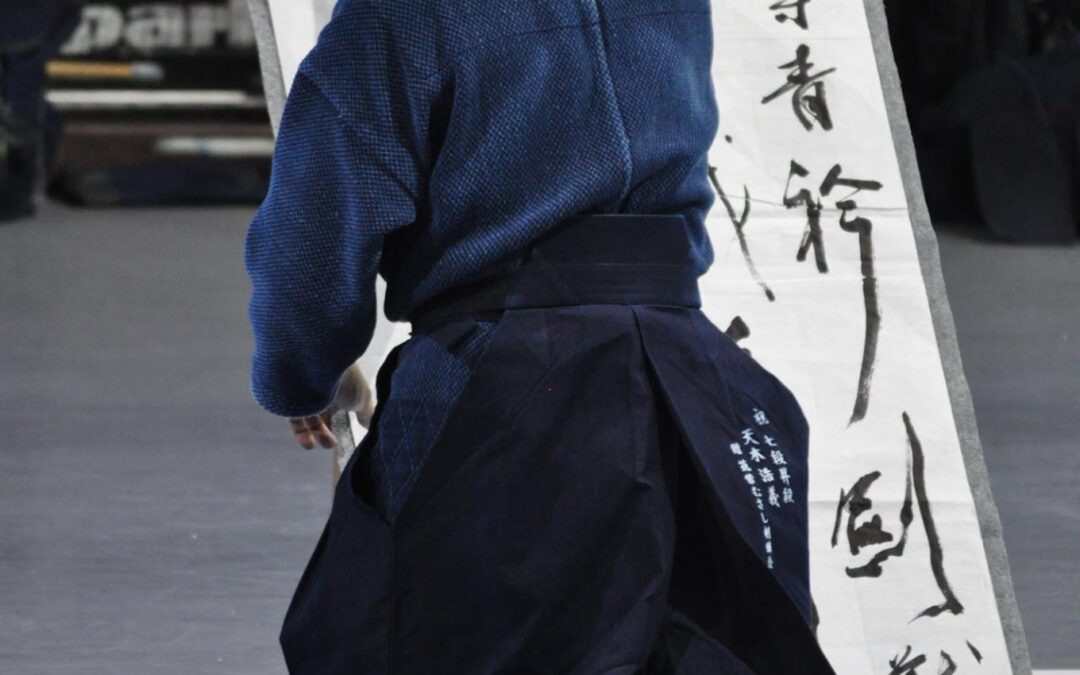
The Principles of Nature and the Way of Budō
I’ve always been fascinated by the expression ‘Pen and Sword in Accord’ here some further reference for Budō & shodō. Which is quite fascinating, but I know very little about shodō.
A View on the Future of International Kendo
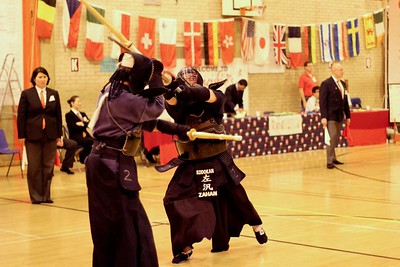
So what of the future direction of international kendo? John Bowen, former member of the GB Judo team, mentioned to me that there are moves in British judo towards making it even more of a sport than a life-forming discipline.
Competition and Enbu: The Two Paths of Kendo Maturity
“Shiai is the forge, and Enbu is the flame that reveals the steel.”
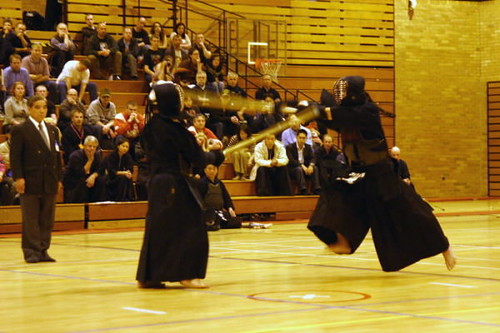
Competition has always played an important role in the development of Kendo, particularly for younger practitioners.
Articles by Paul Budden
Paul Budden was born in 1949 in Cheltenham, England. Although now semi-retired, he continues to assist in running an established international Design and Build exhibition company — more now for pleasure than profession.
His involvement with the martial arts began over sixty years ago, initially through European fencing, before turning to the study of Japanese martial disciplines, culminating in Kendo. Through dedication and perseverance, he was selected to represent Great Britain at the 1987 European Kendo Championships in Malmö, Sweden, where the team won the bronze medal.
What began as an interest grew into a lifelong passion, leading him to author ten books and numerous magazine articles on Kendo — first exploring its technical aspects and later its rich historical and cultural heritage.
Publications to date:
- Looking at a Far Mountain – A Study of Kendo Kata. First Edition 1992, published by Ward Lock a Cassel imprint. 2nd Edition 2000, Charles Tuttle. 3rd Edition ‘Revisited’. 2023, KDP and 2024
- Devil’s Gloves and the One Cut – An introduction to Ono-ha Itto-ryu Kata. 2011, KDP
- Biographical Portraits – Volume IX. Part 1: Things Japanese – 4 for the Japan Society as The Three Ages of British Kendo. 2015, published by Renaissance Books
- A Truly British Samurai – The exceptional Charles Boxer. 2015, Bunkasha International.
- The Ōshu Kendo Renmei – A History of British and European Kendo (1885–1974). 2017, published by Bunkasha International
- A Man of Many Parts – Portrait of an Inimitable Swordsman. 2017, published by Bunkasha International.
- Paper Butterflies – Unravelling the Mystery of Tannaker Buhicrosan. 2020, published by Gatekeeper Press
- The Legacy of the Budokwai – A British Kendo History. 2023, published by KDP
- Nigh A Highwayman – The Nakamura Tōkichi Story. An American Kendo History. 2024, published by KDP
- The Secret Sword – A Study of Itto-ryu Mizoguchi-ha. 2025, published by KDP
Paul served as the Official Announcer at the European Kendo Championships for the European Kendo Federation for over twenty years. He was Co-Organising Director of the 12th World Kendo Championships in Glasgow and the International Kendo Enbu Taikai in Edinburgh, as well as a former Buchō and high-grade practitioner of the British Kendo Association. He also served as Technical Director of the Maltese Kendo Federation from its inauguration in 2010, later becoming its President until 2020.
Having spent his formative years in the Border City of Carlisle — on the frontier between England and Scotland — and with its close proximity to Hadrian’s Wall, together with the enduring legacy of Roman occupation and the Border Reivers, his interest in history was established at a young age.
This early fascination developed into tenacious investigatory skills and a meticulous attention for detail in discerning and recording facts, confirming his standing as a first-rate researcher and a recognised authority on British, European, and international Kendo history.
A high-level international Kendo Instructor Kyoshi 7-dan, he believes very strongly in maintaining the traditional interpretation of Kendo; he is dedicated to the classical practice of Koryu (Historic schools) and the philosophy that Kendo personifies. Having visited Japan on numerous occasions over many years for study and practice in a continuing quest for knowledge and improvement, he states:
“The ultimate may be unattainable, but the journey is educational and enjoyable.”